
การดำเนินงานของฟาร์ม
ฟาร์มแนวตั้งจะสร้างมูลค่าได้ก็ต่อเมื่อมันทำงานได้อย่างมีประสิทธิภาพทุกสัปดาห์
Varmers ช่วยผู้ดำเนินการเปลี่ยนฟาร์มที่สร้างเสร็จแล้วให้เป็นระบบการผลิตที่เชื่อถือได้ — ผ่านการวางแผนการปลูกพืช ขั้นตอนการดำเนินงาน การฝึกอบรม การประเมินผลการทำงาน และการสนับสนุนทางปฏิบัติ
- การวางแผนการผลิต
- การฝึกอบรมทีม
- ความสม่ำเสมอของผลผลิต
- การปรับปรุงประสิทธิภาพ
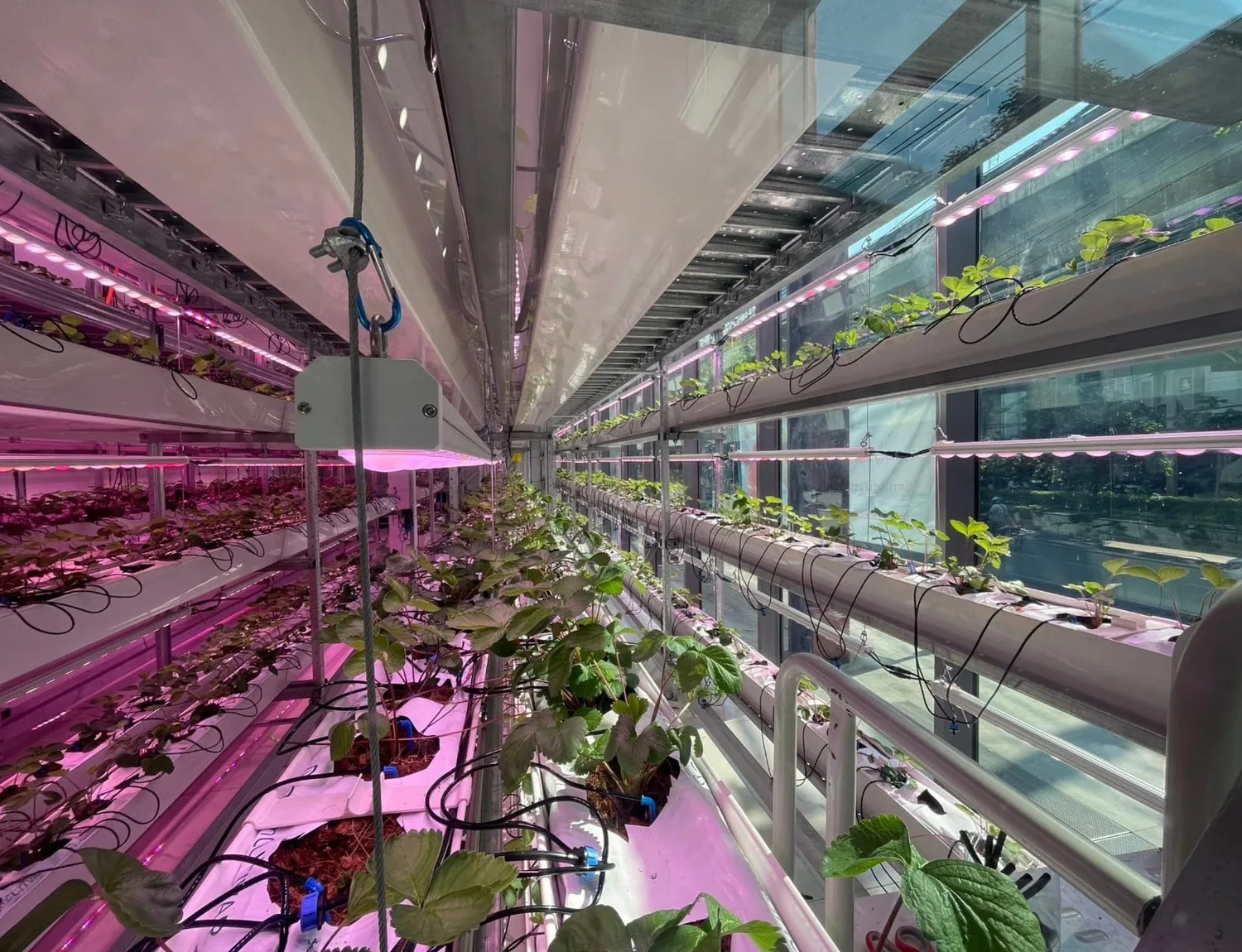
นอกเหนือจากกระบวนการสร้าง
ฟาร์มคือโครงสร้างพื้นฐาน ส่วนการดำเนินงานคือสิ่งที่สร้างผลลัพธ์
การดำเนินการเกษตรในสภาพแวดล้อมที่ควบคุมได้อย่างประสบความสำเร็จ ต้องปรับให้สอดคล้องกันระหว่างความต้องการของพืชผล จังหวะการปลูก สภาพอากาศ แรงงาน ปัจจัยการผลิต การเก็บเกี่ยว และการส่งมอบ เราช่วยจัดระเบียบส่วนต่าง ๆ ที่เคลื่อนไหวเหล่านี้ให้เป็นจังหวะการดำเนินงานที่สอดคล้องกัน
การสนับสนุนสามารถเริ่มได้ก่อนการเริ่มดำเนินการ ระหว่างขั้นตอนการเพิ่มกำลังการผลิต หรือเมื่อโรงงานที่มีอยู่ต้องการแนวทางที่ชัดเจนยิ่งขึ้นเพื่อบรรลุประสิทธิภาพที่มั่นคง
สิ่งที่เราทำ
ระบบปฏิบัติการเดียวที่ใช้งานได้กับพืชผล ผู้ใช้ และอุปกรณ์
ทุกโครงการจะได้รับการกำหนดขอบเขตตามลักษณะของสถานที่ ประเภทพืชที่ปลูก ความสามารถของทีม และแผนธุรกิจ
การเริ่มดำเนินการและเพิ่มกำลังการผลิต
นำขั้นตอนการติดตั้งที่เสร็จสิ้นแล้วมาประยุกต์ใช้ในการตรวจสอบก่อนเริ่มดำเนินการ วงจรทดลอง ขั้นตอนการส่งมอบ และกระบวนการเพิ่มกำลังการผลิตอย่างควบคุม
แผนการเก็บเกี่ยวและปลูกพืช
เชื่อมโยงการคาดการณ์ความต้องการกับพันธุ์พืช วงจรการปลูก กลุ่มการปลูกตามสัปดาห์ ช่วงการเก็บเกี่ยว และกำลังการผลิต
ขั้นตอนการปฏิบัติงานมาตรฐาน
สร้างขั้นตอนการทำงานที่สามารถทำซ้ำได้สำหรับการเพาะเมล็ด การย้ายต้น การดูแลพืช การรักษาความสะอาด การเก็บเกี่ยว การบรรจุ และการติดตามแหล่งที่มา
การฝึกอบรมทีม
ให้ผู้ปฏิบัติงานเข้าใจอย่างปฏิบัติได้จริงเกี่ยวกับงานประจำวัน จุดที่ต้องรายงานต่อผู้บังคับบัญชา การสังเกตการณ์พืชผล และการตัดสินใจเกี่ยวกับคุณภาพ
การประเมินผลการปฏิบัติงาน
ตรวจสอบกระบวนการผลิต คุณภาพ การสูญเสีย แรงงาน การใช้ทรัพยากร และประสิทธิภาพการส่งมอบ เพื่อค้นหาจุดปรับปรุงต่อไป
จังหวะการทำงานเชิงป้องกัน
จัดให้งานตรวจสอบและบำรุงรักษาตามกำหนดการสอดคล้องกับตารางการปลูกพืช เพื่อให้การดำเนินการช่วยปกป้องการผลิตแทนที่จะก่อให้เกิดความขัดข้อง
สี่ขั้นตอน
ตั้งแต่การเก็บเกี่ยวครั้งแรกจนถึงประสิทธิภาพที่คงที่
เปิดตัว
เตรียมทีม ทดสอบระบบ และกำหนดขั้นตอนการทำงานในขั้นตอนการผลิตขั้นต้น
ทำให้เสถียร
ลดความแปรปรวน กำหนดความรับผิดชอบให้ชัดเจน และทำให้ผลผลิตของพืชสามารถคาดการณ์ได้มากขึ้น
ปรับให้เหมาะสม
ใช้ข้อมูลการดำเนินงานและข้อมูลการสังเกตการณ์พืชเพื่อปรับปรุงผลผลิต คุณภาพ และการใช้ทรัพยากร
มาตราส่วน
นำวิธีการดำเนินงานไปใช้กับกำลังการผลิตที่มากขึ้น ผลิตภัณฑ์เพิ่มเติม กะการทำงานเพิ่มเติม หรือสถานที่เพิ่มเติม
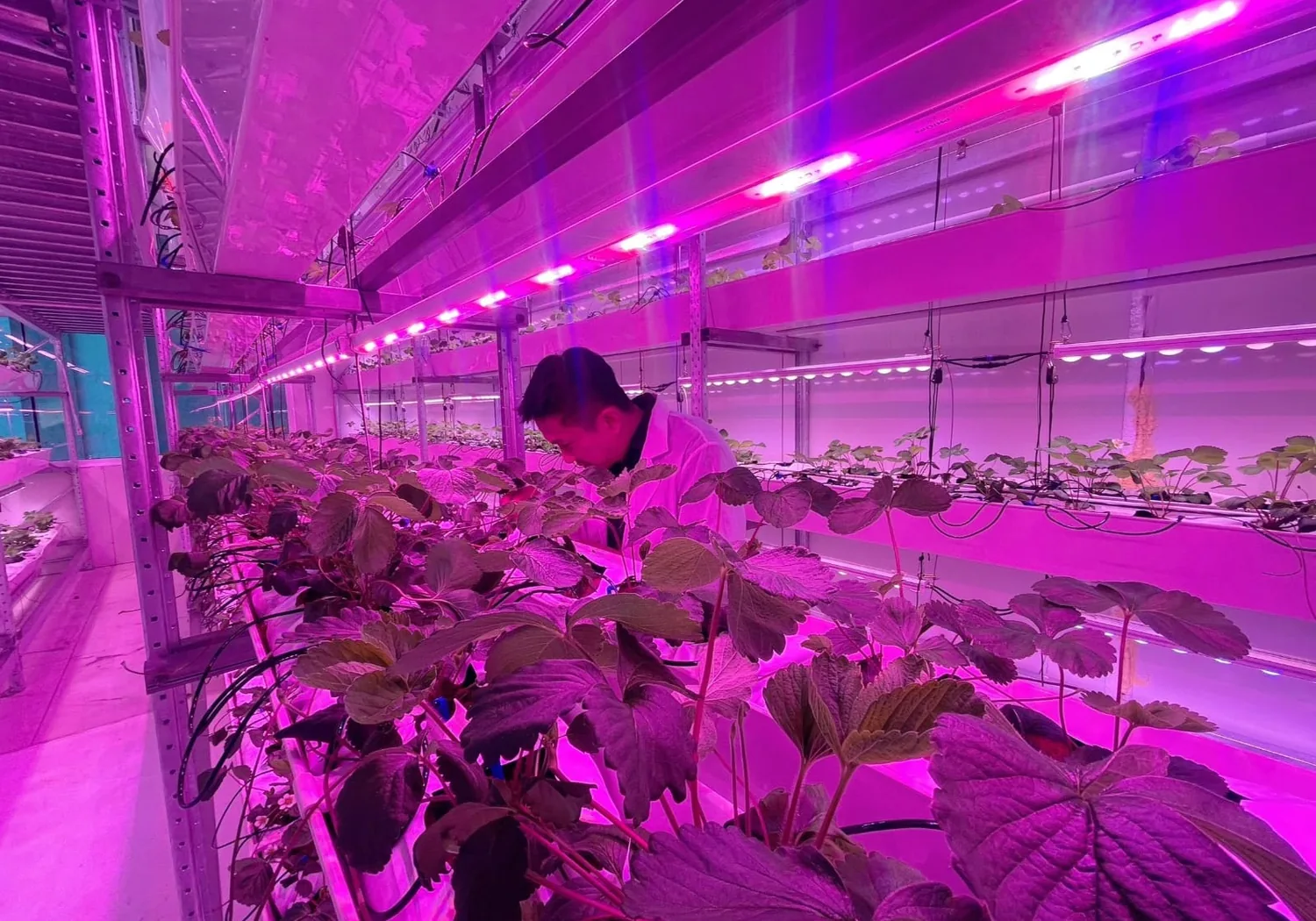
แบบจำลองการสนับสนุน
เลือกระดับที่เหมาะสมกับทีมของคุณ
สำหรับโรงงานใหม่ที่กำลังเตรียมตัวเพื่อเริ่มดำเนินการ ทดสอบระบบ และเริ่มวงจรการผลิตครั้งแรก
สำหรับเจ้าของที่ต้องการให้ Varmers มีส่วนร่วมในกระบวนการบริหารจัดการและดำเนินงานประจำ
สำหรับฟาร์มที่กำลังดำเนินการ ซึ่งต้องการการประเมินอย่างเป็นระบบ การแก้ไขปัญหา และการปรับปรุงอย่างต่อเนื่อง
การแบ่งความรับผิดชอบอย่างชัดเจน
ธุรกิจของคุณยังคงเป็นของคุณเอง ส่วนวิธีการดำเนินงานจะยิ่งแข็งแกร่งขึ้น
องค์กรของคุณเป็นผู้นำ
- ลำดับความสำคัญทางธุรกิจและความสัมพันธ์กับลูกค้า
- การตัดสินใจเกี่ยวกับการจัดหาพนักงานและการจ้างงานในท้องถิ่น
- งบประมาณ การอนุมัติ และทิศทางเชิงกลยุทธ์
- การปฏิบัติตามกฎระเบียบท้องถิ่นและหน้าที่ของเจ้าของสถานที่
Varmers สามารถสนับสนุนได้
- การวางแผนการผลิตและขั้นตอนการดำเนินงาน
- ขั้นตอนการเพาะปลูกและความสามารถของทีม
- การประเมินผลการปฏิบัติงานและการแก้ไขปัญหา
- ลำดับความสำคัญในการปรับปรุงและความพร้อมในการขยายขนาด
คำถามที่พบบ่อย
การดำเนินงานของฟาร์ม: อธิบายอย่างชัดเจน
ขอบเขตที่แน่นอนขึ้นอยู่กับสถานที่ การออกแบบฟาร์ม แผนการปลูกพืช และบทบาทของทีมท้องถิ่น
Varmers สามารถดำเนินการฟาร์มที่สร้างโดยผู้จัดหาอื่นได้หรือไม่?
เป็นไปได้ครับ เราจะเริ่มด้วยการตรวจสอบการออกแบบระบบ สภาพปัจจุบัน เอกสารที่มีอยู่ ความปลอดภัย ความต้องการของพืช และหน้าที่ความรับผิดชอบที่แต่ละฝ่ายต้องปฏิบัติ
ควรเริ่มวางแผนการดำเนินงานเมื่อใด?
ในอุดมคติควรพิจารณาตั้งแต่ขั้นตอนการออกแบบ การจัดสรรบุคลากร กระบวนการทำงาน การเคลื่อนย้ายพืชผล การเข้าถึงเพื่อบำรุงรักษา และการวางแผนการผลิต ล้วนสามารถส่งผลต่อรูปแบบการจัดวางพื้นที่ฟาร์มได้
คุณรับประกันผลผลิตที่แน่นอนหรือไม่?
ไม่มีหลักประกันใดที่สามารถใช้ได้กับทุกกรณี ผลลัพธ์ขึ้นอยู่กับชนิดพืช พันธุ์พืช ระบบการปลูก สภาพแวดล้อม การปฏิบัติงานของทีม แผนความต้องการ และสภาพการดำเนินงาน เป้าหมายควรได้รับการตกลงกันบนพื้นฐานของข้อมูลอ้างอิงที่บันทึกไว้
สามารถให้การสนับสนุนจากระยะไกลได้หรือไม่?
การตรวจสอบ การวางแผน และการแก้ไขปัญหาบางอย่างสามารถดำเนินการได้จากระยะไกล ส่วนการทดสอบระบบ การฝึกอบรม และปัญหาการดำเนินงานที่ซับซ้อน อาจจำเป็นต้องดำเนินการที่สถานที่จริง
ดำเนินการอย่างมีจุดมุ่งหมาย