
Varmers ขยายตัวเพื่อตอบสนองความต้องการ
ความต้องการของคุณจะกลายเป็นแผนการปลูกพืช
เราจะตกลงกันก่อนการปลูกว่าครัวของคุณต้องการอะไร: ชนิดพืชหรือพันธุ์, ปริมาณ, ข้อกำหนดด้านคุณภาพ, ราคา, ความถี่ในการส่งมอบ และระยะเวลาการจัดหา Varmers จะตรวจสอบความถูกต้องของชนิดพืชและจัดกำหนดการผลิตตามข้อตกลงดังกล่าว
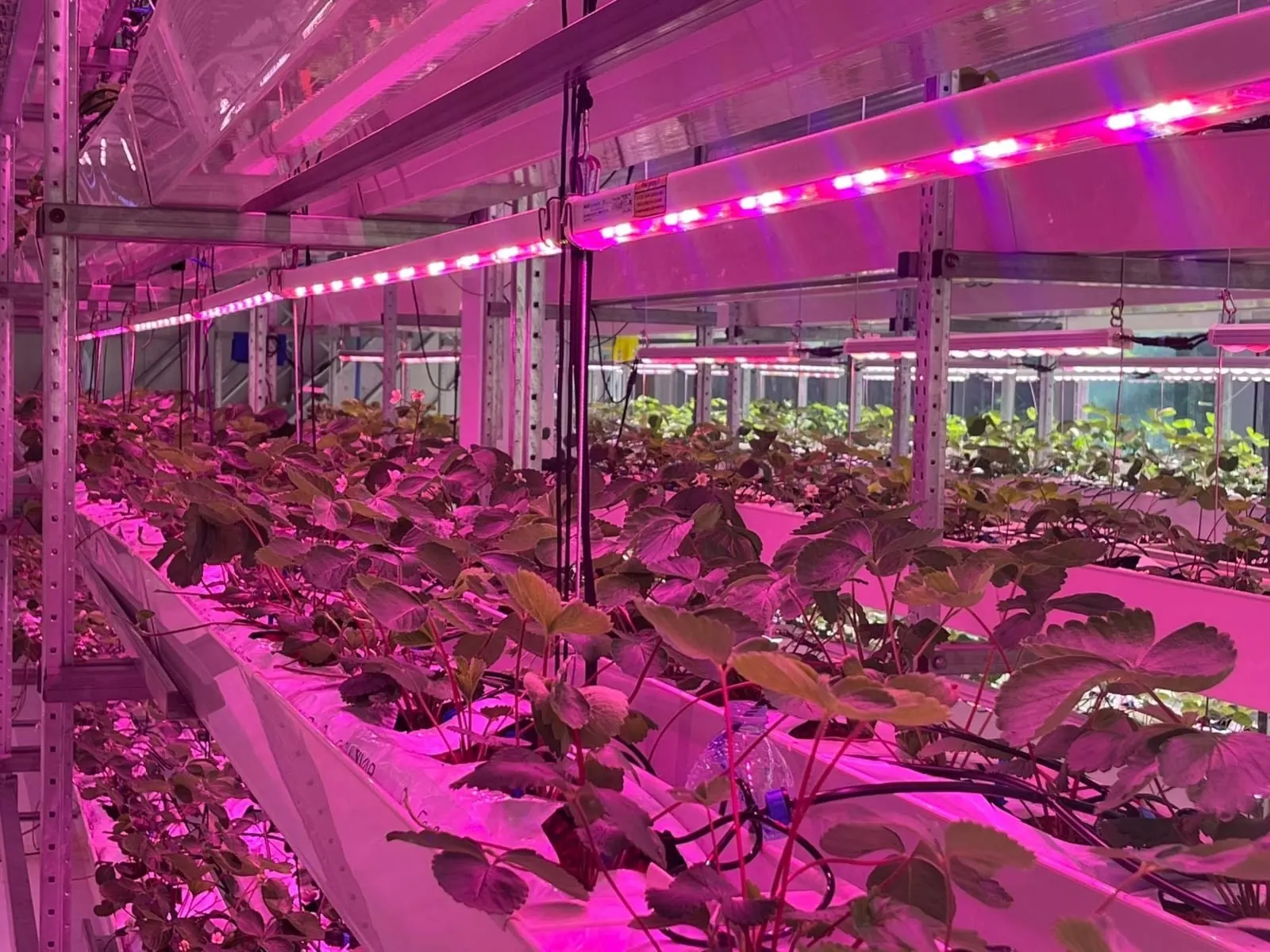
ทำไมโมเดลนี้จึงแตกต่าง
กระบวนการผลิตเริ่มต้นจากความต้องการของผู้ซื้อ
เป้าหมายไม่ใช่การสัญญาว่าสามารถปลูกพืชทุกชนิดได้ แต่เป้าหมายคือการสร้างกระบวนการที่มีระเบียบวินัย ตั้งแต่ความต้องการในครัว ไปจนถึงพืชที่ได้รับการตรวจสอบแล้ว และการจัดส่งตามกำหนด
พัฒนาธุรกิจก่อน แล้วค่อยหาความต้องการ
- ปริมาณตามการคาดการณ์
- ความดันในการเก็บรักษาที่นานขึ้น
- การลดราคาเมื่อความต้องการต่ำ
- ความเสี่ยงที่เพิ่มขึ้นว่าผลผลิตจะขายไม่ได้
กำหนดความต้องการก่อน แล้วจึงวางแผนการปลูก
- ข้อกำหนดที่ตกลงกันก่อนการปลูก
- ชุดสินค้าตามลำดับสำหรับการส่งสินค้าแบบประจำ
- เงื่อนไขทางการค้าที่เกี่ยวข้องกับแผนดังกล่าว
- กำลังการผลิตที่จัดสรรอย่างมีจุดมุ่งหมาย
ขั้นตอนปฏิบัติ
ตั้งแต่การรับคำขอจนถึงการส่งสินค้าครั้งแรก
พันธุ์ใหม่อาจจำเป็นต้องมีการทดลองในวงจำกัดก่อนที่จะสามารถกำหนดวันที่เริ่มผลิตเชิงพาณิชย์ได้
ข้อกำหนดสำหรับห้องครัว
คุณต้องแจ้งข้อมูลเกี่ยวกับพืชพันธุ์ พันธุ์ ปริมาณ กรณีการใช้งาน รูปแบบบรรจุภัณฑ์ และระยะเวลาการส่งสินค้าที่ต้องการ
การประเมินความเป็นไปได้
เราประเมินความเหมาะสมของระบบการเกษตรแนวตั้ง การเข้าถึงเมล็ดพันธุ์ ช่วงเวลาการปลูก ความสามารถในการผลิต และผลเศรษฐกิจต่อหน่วยที่คาดการณ์ได้
ทดลองใช้เมื่อจำเป็น
พืชที่ยังไม่ได้รับการพิสูจน์สามารถผ่านกระบวนการทดลองแบบควบคุมเพื่อยืนยันคุณภาพ ผลผลิต และระยะเวลาการเจริญเติบโต
สัญญาทางการค้า
ทั้งสองฝ่ายได้ตกลงกันเกี่ยวกับราคา ปริมาณ ความถี่ ระยะเวลาการจัดส่ง คุณภาพ และวันที่ส่งสินค้าครั้งแรกที่ปฏิบัติได้จริง
การปลูกแบบต่อเนื่อง
การจัดปลูกเป็นหลายรอบอย่างสลับกัน เพื่อให้ปริมาณที่ต้องการเติบโตอย่างต่อเนื่อง แทนที่จะเติบโตพร้อมกันทั้งหมดในครั้งเดียว
การจัดส่งตามกำหนด
ผลผลิตใหม่จะถูกเก็บเกี่ยวและจัดส่งตามจังหวะที่ตกลงกันไว้ โดยจะปรับรอบการผลิตในอนาคตให้สอดคล้องกับความเปลี่ยนแปลงของความต้องการ
สิ่งที่ข้อตกลงสามารถกำหนดได้
กำหนดความคาดหวังด้านธุรกิจและผลผลิตให้ชัดเจน
สัญญาแบบ "Grow to Demand" อาจมีรูปแบบที่เรียบง่ายหรือละเอียด ขึ้นอยู่กับชนิดพืชและลูกค้า จุดสำคัญคือทีมผลิตต้องทราบว่ากำลังวางแผนผลผลิตอะไร
เริ่มการประเมินความเป็นไปได้
คุณอยากให้ Varmers ปลูกอะไรให้คุณ?
แบบฟอร์มแรกถูกออกแบบมาเพื่อใช้งานจริง โดยให้ข้อมูลเพียงพอแก่ทีมผลิตเพื่อตัดสินใจว่าการสนทนาครั้งต่อไปควรเป็นการหารือเรื่องราคา การทดลองปลูกพืช หรือการเสนอทางเลือกอื่น
- ไม่มีการปลูกพืชใดๆ ก่อนที่จะมีข้อตกลง
- ไม่ใช่ทุกชนิดของพืชที่จะเหมาะสมทั้งทางเทคนิคและทางเชิงพาณิชย์
- วันที่เก็บเกี่ยวครั้งแรกจะได้รับการยืนยันหลังจากดำเนินการศึกษาความเป็นไปได้และทดลองแล้ว
คำถามที่พบบ่อย
ก่อนที่พืชจะเริ่มให้ผลผลิต
คำตอบเหล่านี้อธิบายขั้นตอนการทำงานที่ตั้งใจไว้ ส่วนเงื่อนไขทางการค้าที่เฉพาะเจาะจงควรระบุไว้ในสัญญาฉบับสุดท้าย
ชาววาร์เมอร์สามารถปลูกพืชชนิดใดก็ได้หรือไม่?
ไม่ครับ พืชต้องเหมาะสมกับสภาพแวดล้อมของฟาร์มแนวตั้งที่มีอยู่ ความสูงของพืช แสงสว่าง พื้นที่ราก ความคุ้มค่าทางเศรษฐกิจ และข้อกำหนดของลูกค้า บางชนิดของพืชอาจจำเป็นต้องทดลองปลูก ส่วนบางชนิดอาจไม่เหมาะสมในทางปฏิบัติ
มีรับประกันว่า 6 สัปดาห์หรือไม่?
ไม่ครับ ประมาณหกสัปดาห์เป็นช่วงเวลาที่ใช้เป็นเกณฑ์อ้างอิงในการวางแผนสำหรับพืชใบเขียวหลายชนิด แต่ระยะเวลาการงอก ระยะเวลาการปลูก การทดลอง ความพร้อมของเมล็ดพันธุ์ และกำลังการผลิต อาจส่งผลให้วันที่เปลี่ยนแปลงได้
ปริมาณขั้นต่ำคือเท่าไร?
ขึ้นอยู่กับชนิดของพืช รูปแบบการบรรจุ ความถี่ในการส่งสินค้า และประสิทธิภาพการผลิต การประเมินความเป็นไปได้จะกำหนดว่าปริมาณที่ขอมาสามารถดำเนินการได้จริงหรือไม่
สามารถกำหนดราคาไว้ได้ในช่วงเวลาหนึ่งหรือไม่?
ใช่ครับ ราคา ปริมาณ เงื่อนไขการตรวจสอบ และระยะเวลาการจัดส่งสามารถระบุไว้ในสัญญาทางการค้าได้
เราสามารถเปลี่ยนจำนวนได้ภายหลังได้ไหม?
โดยทั่วไปแล้ว แต่รอบการปลูกพืชจำเป็นต้องมีเวลาในการวางแผน ข้อตกลงควรกำหนดไว้ว่าต้องแจ้งล่วงหน้าเท่าใด และตารางการผลิตสามารถปรับตัวได้มากน้อยเพียงใด
หากมีผลผลิตเกินความต้องการจะเกิดอะไรขึ้น?
ผู้ผลิตอาจเพิ่มปริมาณสินค้าเพื่อสร้างพื้นที่สำรองด้านความปลอดภัยเหนือปริมาณความต้องการที่ลูกค้าได้ยืนยันไว้ ปริมาณส่วนเกินดังกล่าวสามารถขายผ่านร้านค้าได้ ในขณะที่ปริมาณที่ลูกค้าได้ยืนยันไว้ยังคงเป็นส่วนหนึ่งของแผนการผลิต