ฟาร์มที่จะเป็นเจ้าของ พืชผลที่จะซื้อ
เราสร้างฟาร์ม
เราปลูกอาหาร
ซื้อ Container 48 แบบครบชุด สั่งทำฟาร์มสำหรับพื้นที่ของคุณ หรือให้ Varmers ปลูกพืชคุณภาพสูงตามความต้องการที่ต่อเนื่องของคุณ ทีมเดียวที่ดูแลการเชื่อมต่ออุปกรณ์ แผนการปลูก และกระบวนการเก็บเกี่ยว
ต้องการพืชผลแทนหรือไม่? ดู Grow to Demand- หลังคาฟาร์มแบบสำเร็จรูปขนาด 48 m²
- สภาพแวดล้อมการปลูกตลอด365วัน
- 0สารกำจัดศัตรูพืชสังเคราะห์
- กำหนดความต้องการก่อนการปลูก
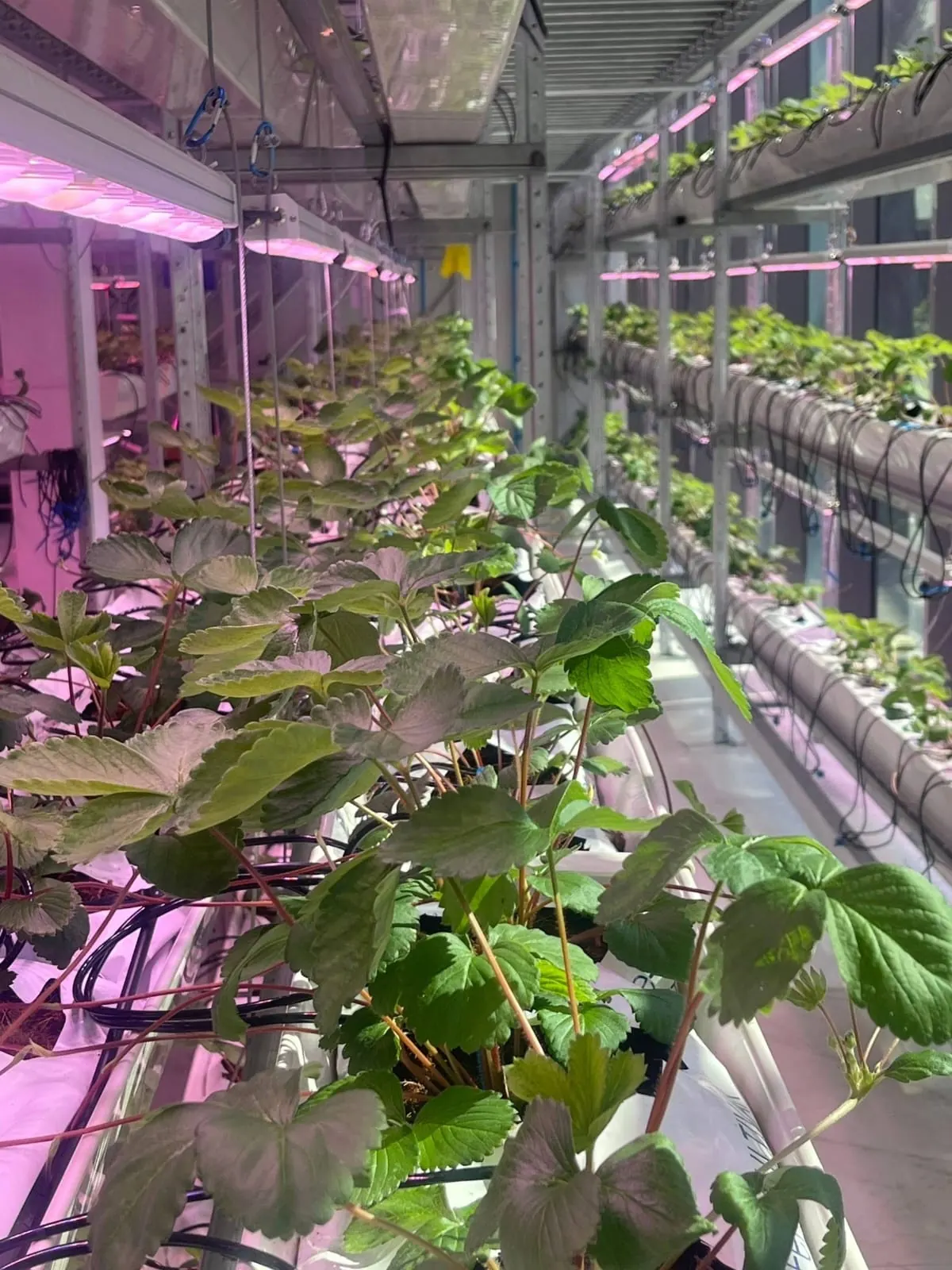 ฟาร์มครบวงจรที่คุณสามารถเป็นเจ้าของได้
สองวิธีในการใช้งาน Varmers
เป็นเจ้าของฟาร์มหรือซื้อผลผลิตจากฟาร์มนั้น
ลูกค้าบางรายต้องการสินทรัพย์การผลิต ส่วนอีกบางรายต้องการแหล่งจัดหาผลผลิตที่เชื่อถือได้ Varmers ให้การสนับสนุนทั้งสองด้านโดยไม่ทำให้การซื้อสินค้าที่เรียบง่ายกลายเป็นกระบวนการให้คำปรึกษา
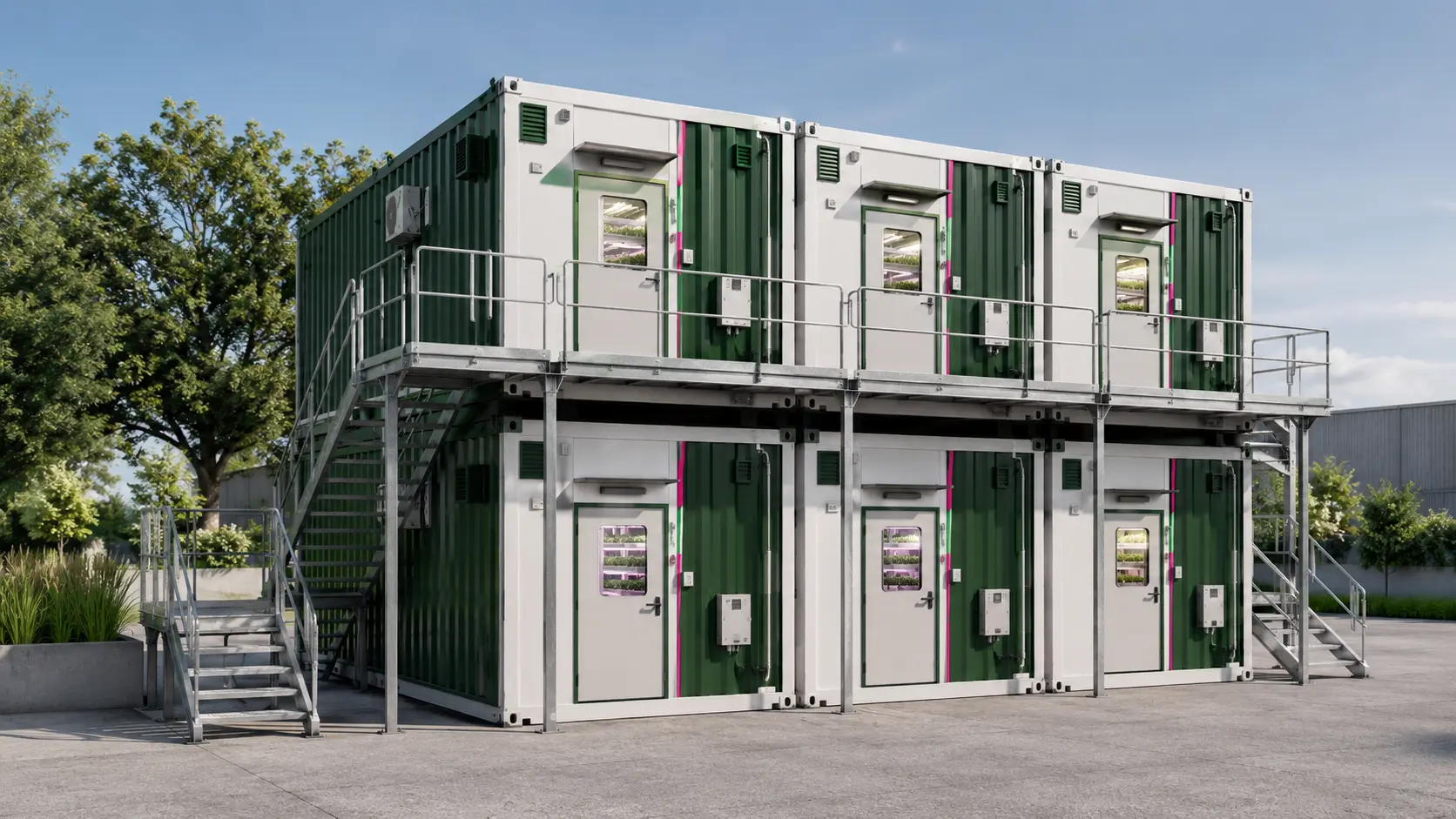
ซื้อหรือสร้างฟาร์ม
สั่งซื้อ Container 48 แบบสำเร็จรูปเหมือนสินค้า WooCommerce ทั่วไป เพิ่มระบบพลังงานแสงอาทิตย์หรือ FarmCare หากจำเป็น หรือขอให้ Varmers ออกแบบฟาร์มขนาดใหญ่ขึ้นที่สถานที่จริง
- ระบบฟาร์มในตู้คอนเทนเนอร์ครบวงจร เริ่มต้นจาก 546,850 บาท
- การออกแบบห้องตามความต้องการและระบบฟาร์มแบบโมดูลาร์
- เป็นเจ้าของเต็มตัวหลังการซื้อ
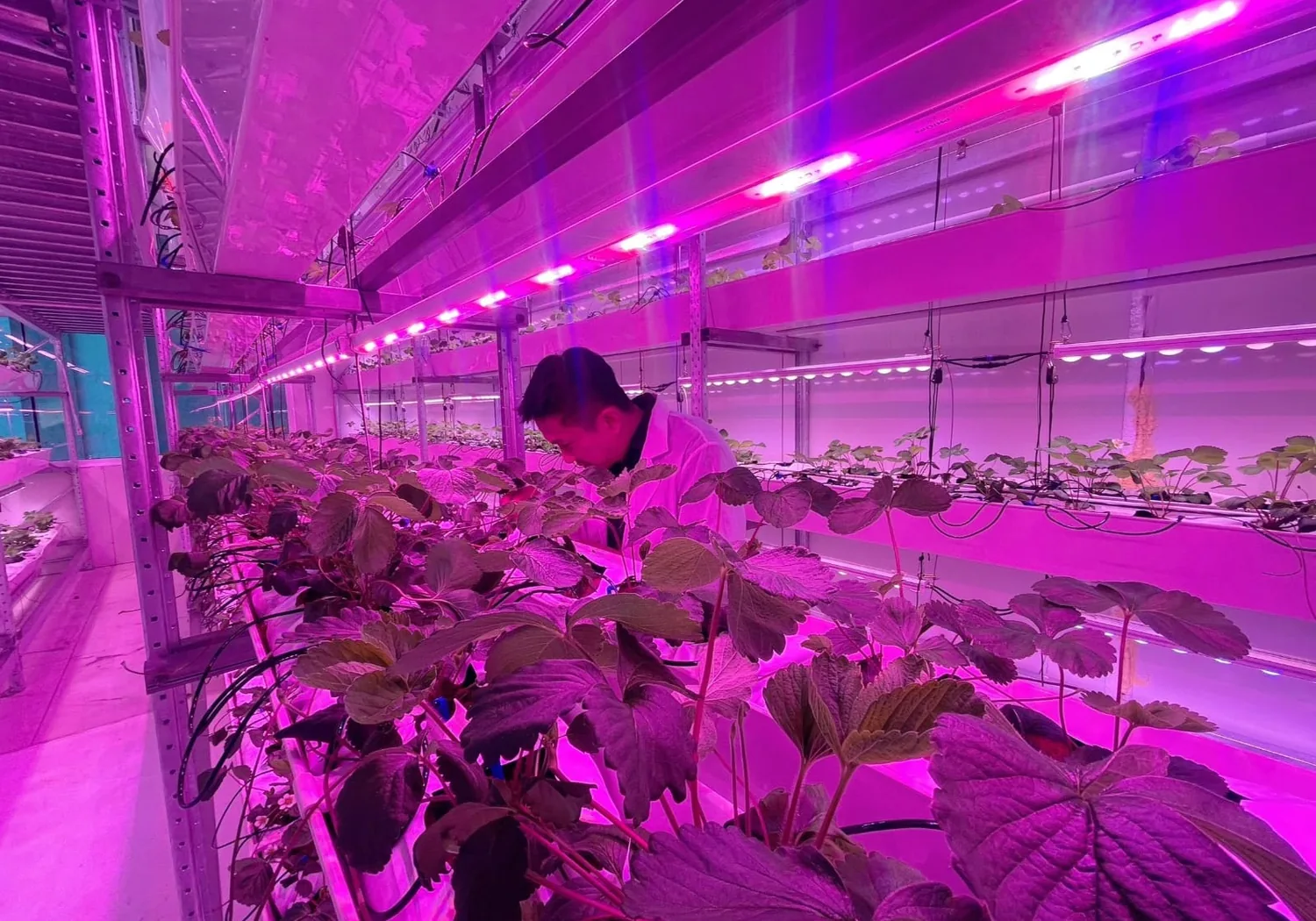
ซื้อผลผลิตหรือปลูกตามความต้องการ
สั่งซื้อผลผลิตที่มีพร้อมจำหน่ายผ่านร้านค้า หรือสั่งซื้อล่วงหน้าในโปรแกรมปลูกพืชแบบต่อเนื่อง เพื่อให้การปลูกสอดคล้องกับปริมาณและความถี่ที่ครัวหรือร้านค้าของคุณต้องการ
- ผลผลิตจากฤดูกาลเก็บเกี่ยวล่าสุด
- การจองพื้นที่ปลูกพืชแบบประจำ
- การทดลองปลูกพืชเพื่อหาวัตถุดิบที่ไม่ธรรมดา
ความต้องการกำลังเพิ่มขึ้นแล้ว
อาหารที่ได้รับการคัดเลือกจากครัวจริง
สำหรับทุกผลผลิตที่สัญญาไว้กับลูกค้า Varmers จะปลูกเพิ่มปริมาณเพื่อเป็นมาตรการป้องกันความเสี่ยง ผลผลิตส่วนเกินที่สดใหม่นี้สามารถหาซื้อได้ที่ร้าน เมื่อผลผลิตส่วนเกินนี้ถูกจัดสรรแล้ว ลูกค้าสามารถสั่งซื้อล่วงหน้าสำหรับรอบการปลูกถัดไปได้
ดูแคตตาล็อกพืชผลทั้งหมด มีจำหน่ายจากผลผลิตปัจจุบัน
พืชผลที่เป็นเอกลักษณ์ของ Varmers
Varmers โหระพาอิตาลี
ใบกว้างและนุ่ม กลิ่นเจโนเวเซที่สดชื่น และรสชาติหวานผสมความเผ็ดเล็กน้อย เหมาะสำหรับทำเพสโต พิซซ่า และคาเปรเซ่
 มีจำหน่ายจากผลผลิตปัจจุบัน
อาหารรสเลิศจากสมุนไพรชั้นดี
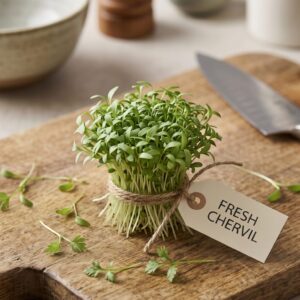
เชอร์วิล โดย Varmers
ใบอ่อนที่มีกลิ่นหอมอ่อนๆ ของผักชีฝรั่งและยี่หร่า เหมาะสำหรับอาหารฝรั่งเศส ปลา และไข่
 มีจำหน่ายจากผลผลิตปัจจุบัน
ผลิตขึ้นสำหรับครัวมืออาชีพ
ไมโครกรีนเชอร์วิล
เชอร์วิลสดจากเมล็ดพันธุ์ต้นกำเนิดจากอิตาลี ปลูกในร่มที่กรุงเทพฯ เพื่อรักษารสชาติที่ละเอียดอ่อน ใบที่นุ่ม และคุณภาพที่เชื่อถือได้ตลอดทั้งปี เหมาะอย่างยิ่งสำหรับอาหารฝรั่งเศส อาหารทะเล ไข่ ซุป สลัด และ…
 มีจำหน่ายจากผลผลิตปัจจุบัน
ผลิตขึ้นสำหรับครัวมืออาชีพ
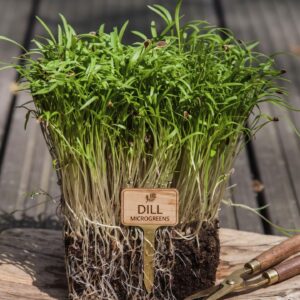
ไมโครกรีนผักชีลาว
ผักชีลาวสดจากเมล็ดพันธุ์อิตาลี ปลูกในร่มที่กรุงเทพฯ เพื่อความสดใหม่ที่เหนือชั้น กลิ่นหอมละมุน และคุณภาพที่สม่ำเสมอตลอดทั้งปี เหมาะอย่างยิ่งสำหรับอาหารทะเล มันฝรั่ง สลัด น้ำสลัด ซอสครีม และอาหารชั้นเลิศ…
 มีจำหน่ายจากผลผลิตปัจจุบัน
ความสง่างามของหัวหอมที่อ่อนละมุน
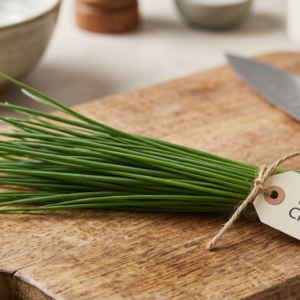
ต้นหอมฝรั่งเศส/ตะวันตก จาก Varmers
ใบบางกรอบที่มีรสชาติหอมของหัวหอมอย่างละเอียด เหมาะสำหรับใช้กับไข่ อาหารทะเล มันฝรั่ง และซอสครีม
 มีจำหน่ายจากผลผลิตปัจจุบัน
ความเผ็ดร้อนสดชื่น
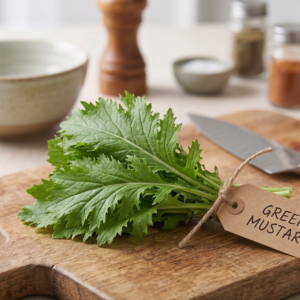
มัสตาร์ดสีเขียวของ Varmers
ใบผักกรอบๆ พร้อมความอบอุ่นสดชื่นของมัสตาร์ด อร่อยมากเมื่อกินสด ใช้ห่อ หรือผัดเร็วๆ ในกระทะร้อน
 มีจำหน่ายจากผลผลิตปัจจุบัน
ผลิตขึ้นสำหรับครัวมืออาชีพ
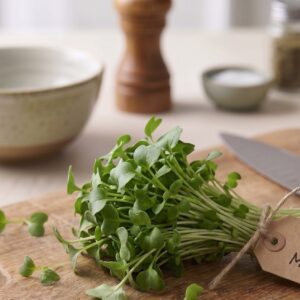
ไมโครกรีนมัสตาร์ดสีเขียว
มัสตาร์ดเขียว Varmers Green ที่ปลูกจากเมล็ดพันธุ์ต้นกำเนิดจากอิตาลี มีใบสีเขียวสดกรอบและรสชาติมัสตาร์ดที่เข้มข้น เหมาะสำหรับใช้ในสลัด แรป ข้าวหน้าต่างๆ บะหมี่ แซนด์วิช ผัด และอาหารสไตล์เอเชีย
 มีจำหน่ายจากผลผลิตปัจจุบัน
ผลิตขึ้นสำหรับครัวมืออาชีพ
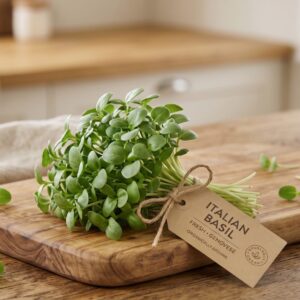
ไมโครกรีนใบโหระพาอิตาลี
Varmers Italian Basil คือใบโหระพาแบบเจนัวแท้ๆ ที่ปลูกจากเมล็ดพันธุ์ต้นฉบับจากเมืองเจนัว ประเทศอิตาลี ปลูกตลอดทั้งปีในฟาร์มแนวตั้งที่ปราศจากสารกำจัดศัตรูพืชในกรุงเทพฯ ให้รสชาติที่แท้จริง…
 มีจำหน่ายจากผลผลิตปัจจุบัน
สะอาดและใช้งานได้หลากหลาย
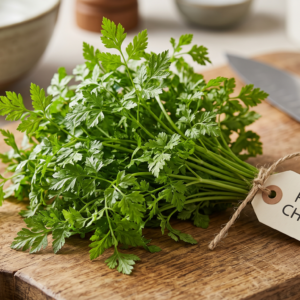
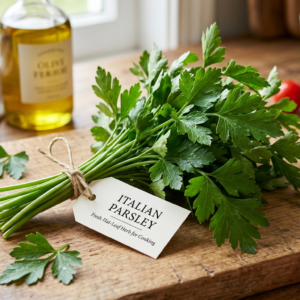
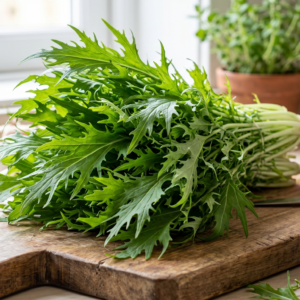
ผักชีฝรั่งอิตาลี จาก Varmers
ใบใหญ่และแบน มีรสสมุนไพรที่สดชื่น เหมาะสำหรับใช้ในซอส พาสต้า อาหารทะเล และอาหารย่าง
 มีจำหน่ายจากผลผลิตปัจจุบัน
เบา กรอบ และรสชาติอ่อน
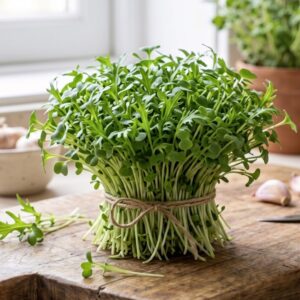
Mizuna Green โดย Varmers
ผักใบเขียวแบบญี่ปุ่นที่มีเนื้อนุ่มเบาๆ พร้อมรสพริกไทยอ่อนๆ เหมาะสำหรับทำสลัด จานก๋วยเตี๋ยว และผัดแบบรวดเร็ว
 มีจำหน่ายจากผลผลิตปัจจุบัน
ผลิตขึ้นสำหรับครัวมืออาชีพ
ไมซูนา ไมโครกรีนสีเขียว
ผักมิซูนา Varmers ที่ปลูกจากเมล็ดพันธุ์ต้นกำเนิดจากอิตาลี มีเนื้อนุ่ม กรอบ และมีรสเผ็ดอ่อนๆ เป็นผักใบเขียวคุณภาพสูงที่เหมาะสำหรับทำสลัด ข้าวหน้าต่างๆ ข้าวหน้าเส้น แซนด์วิช แรป และผัดแบบเบาๆ
 มีจำหน่ายจากผลผลิตปัจจุบัน
ใบเล็ก สีสันสดใส
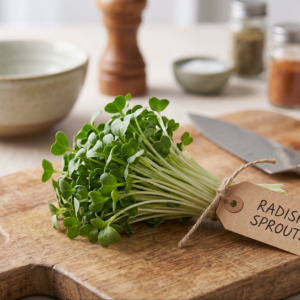
ต้นผักกาดขาวของ Varmers
ต้นอ่อนที่กรอบและเผ็ดเล็กน้อย ช่วยเพิ่มความสูง สีสัน และรสชาติสดชื่นแบบหัวไชเท้าให้กับคานาเป้และอาหารในชาม
 มีจำหน่ายจากผลผลิตปัจจุบัน
สีสันที่เต็มไปด้วยความสดใส
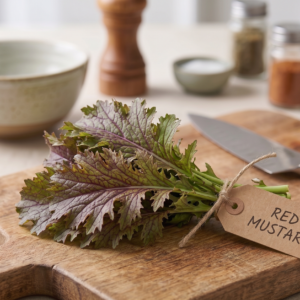
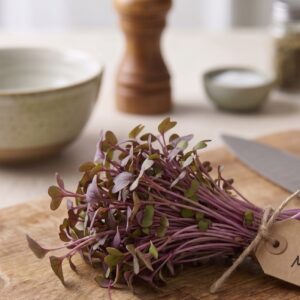
Red Mustard ของ Varmers
ใบสีแดง-ม่วงเข้ม เนื้อใบกรอบ และมีรสวาซาบิที่สดชื่น เหมาะสำหรับสลัดที่โดดเด่นและอาหารจานหลักที่มีรสชาติเข้มข้น
 มีจำหน่ายจากผลผลิตปัจจุบัน
ผลิตขึ้นสำหรับครัวมืออาชีพ
ไมโครกรีนมัสตาร์ดสีแดง
มัสตาร์ดสีแดง Varmers ที่ปลูกจากเมล็ดพันธุ์ต้นกำเนิดจากอิตาลี ผสมผสานสีแดง-ม่วงที่สดใส เนื้อสัมผัสที่สดใหม่ และรสชาติมัสตาร์ดที่เผ็ดร้อน เหมาะอย่างยิ่งสำหรับสลัดสีสันสดใส โบวล์ธัญพืช แซนด์วิช แรป การตกแต่งอาหาร และสไตล์เชฟ…
 มีจำหน่ายจากผลผลิตปัจจุบัน
มีกลิ่นส้มตามธรรมชาติ
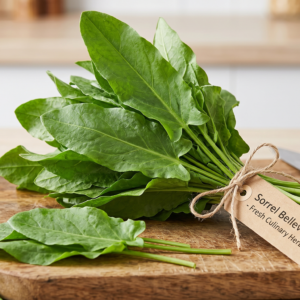
Sorrel Belleville โดย Varmers
ใบอ่อนที่มีรสเปรี้ยวสดชื่นคล้ายเลมอน ซึ่งช่วยเสริมรสชาติให้ปลา ไข่ ซุป และซอสครีม
 มีจำหน่ายจากผลผลิตปัจจุบัน
ผลิตขึ้นสำหรับครัวมืออาชีพ
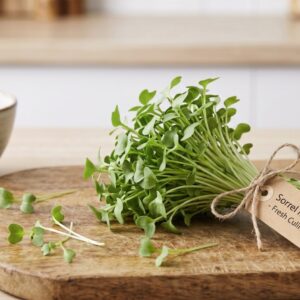
ไมโครกรีนส์ชนิดซอร์เรล
ผักวาร์เมอร์ส โซเรล เบลวิลล์ ที่ปลูกจากเมล็ดพันธุ์ต้นกำเนิดจากเนเธอร์แลนด์ มีรสชาติสดชื่นตามธรรมชาติคล้ายมะนาว ซึ่งช่วยเพิ่มรสชาติให้สลัด ซอส ซุป ไข่ อาหารทะเล และอาหารจานพิเศษระดับพรีเมียม ปลูกในร่มโดยไม่ใช้สารกำจัดศัตรูพืช
 มีจำหน่ายจากผลผลิตปัจจุบัน
ผลิตขึ้นสำหรับครัวมืออาชีพ
Varmers A900
A900 หนึ่งชุด ประกอบด้วยชั้นปลูกพืชขนาด 200 × 60 × 200 ซม. ที่มี 4 ชั้นปลูก และพื้นที่วางชั้นตามค่ามาตรฐาน 4.8 ม² (พื้นที่ปลูกจริงขึ้นอยู่กับถาดปลูก)...
 มีจำหน่ายจากผลผลิตปัจจุบัน
มีรสพริกไทยที่ชัดเจน
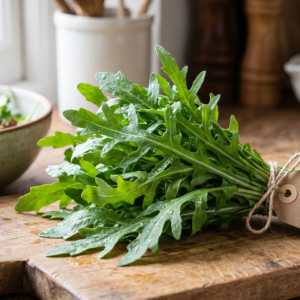
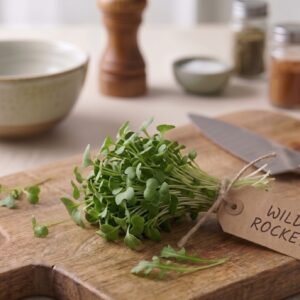
Wild Rocket Giuditta โดย Varmers
ใบมีฟันหยักที่ดูสง่างาม พร้อมด้วยรสชาติพริกไทยที่ชัดเจน เหมาะสำหรับพิซซ่า บูราตา พาสต้า และอาหารย่าง
 มีจำหน่ายจากผลผลิตปัจจุบัน
ผลิตขึ้นสำหรับครัวมืออาชีพ
ไมโครกรีนร็อกเก็ตป่า
Varmers Wild Rocket Giuditta จากเมล็ดพันธุ์ที่มีต้นกำเนิดจากอิตาลี ให้รสชาติสดชื่นและเผ็ดเล็กน้อย พร้อมด้วยรูปทรงใบที่สง่างาม เหมาะอย่างยิ่งสำหรับสลัด พิซซ่า พาสต้า แซนด์วิช บูราตา อาหารย่าง และการตกแต่งจานอาหารระดับพรีเมียม
แบบการดำเนินงานของ Varmers
ขยายตามความต้องการ
แทนที่จะปลูกก่อนแล้วค่อยหาผู้ซื้อในภายหลัง เราเริ่มจากความต้องการของครัวที่ชัดเจนก่อน แล้วจึงจัดทำแผนการปลูกให้สอดคล้องกับความต้องการนั้น
ดูกระบวนการทั้งหมดระบบการจัดหาแบบดั้งเดิม
พัฒนาธุรกิจก่อน แล้วค่อยหาผู้ซื้อในภายหลัง
- คาดการณ์ความต้องการในตลาด
- ปลูกในปริมาณมาก
- การเก็บรักษาและการขนส่ง
- ส่วนเกินที่ลดราคา
- ทิ้งสิ่งที่เหลืออยู่
ขยายตามความต้องการ
ตกลงเรื่องความต้องการ กำหนดตารางงาน
- กำหนดประเภทพืชและข้อกำหนด
- ตกลงเรื่องราคา ปริมาณ และระยะเวลา
- ตรวจสอบความเป็นไปได้หรือดำเนินการทดลอง
- ปลูกพืชตามรอบการปลูกแบบต่อเนื่อง
- เก็บเกี่ยวเพื่อจัดส่งแบบประจำ
ประเภท, กรณีการใช้งาน, ข้อกำหนดด้านคุณภาพ และบรรจุภัณฑ์
จำนวน, ราคา, ความถี่, การส่งสินค้าครั้งแรก และระยะเวลาของสัญญา.
เราตรวจสอบความเหมาะสม ความสามารถทางเทคนิค ความคุ้มค่าทางเศรษฐกิจ และว่าจำเป็นต้องทำการทดลองหรือไม่
การปลูกถูกจัดให้มีการปลูกแบบสลับกัน เพื่อให้ปริมาณผลผลิตใหม่สุกตามจังหวะที่ตกลงกันไว้
ต้องการพืชชนิดใดที่ยังไม่มีในรายชื่อของเราหรือไม่?
ใส่เข้าไปในคิวการวางแผน
บอกเราว่าครัวของคุณต้องการอะไร และต้องการบ่อยแค่ไหน เราจะประเมินว่าพืชชนิดนั้นเหมาะสำหรับการปลูกแบบแนวตั้งหรือไม่ จำเป็นต้องทำการทดลองหรือไม่ และแผนธุรกิจแบบใดจะทำให้การปลูกนี้มีความเป็นไปได้
- ไม่มีการผูกมัดใดๆ จนกว่าทั้งสองฝ่ายจะตกลงกัน
- ระยะเวลาดำเนินการขึ้นอยู่กับลักษณะทางชีววิทยาของพืชและผลการทดลอง
- การจัดส่งแบบประจำอาจรวมถึงราคาและระยะเวลาการส่งสินค้าที่ตกลงกันไว้
ออกแบบมาเพื่อการจัดหาสินค้าสำหรับมืออาชีพ
ความสดใหม่มีประโยชน์ ความน่าเชื่อถือเป็นสิ่งจำเป็น
Varmers เชื่อมโยงสูตรอาหารจากผลผลิตทางการเกษตร การปลูกพืชตามลำดับ และการเก็บเกี่ยวในท้องถิ่น เข้ากับความต้องการเชิงพาณิชย์ของห้องครัว ซึ่งไม่สามารถปรับเปลี่ยนสูตรได้เมื่อขาดวัตถุดิบ
ข้อกำหนดที่ชัดเจน
ก่อนการผลิต จะมีการกำหนดให้ชัดเจนเกี่ยวกับพันธุ์พืช รูปแบบบรรจุภัณฑ์ คุณภาพทางสายตา และวิธีการใช้ในครัว
การปลูกแบบสลับระยะ
วงจรการปลูกพืชถูกจัดเรียงเพื่อสร้างปริมาณผลผลิตที่สม่ำเสมอ แทนที่จะเก็บเกี่ยวครั้งเดียวในปริมาณมากเกินไป
การตอบสนองของท้องถิ่น
การปลูกใกล้กับลูกค้าในกรุงเทพฯ ช่วยลดระยะทางระหว่างการเก็บเกี่ยวและการส่งมอบ
การขยายตัวที่ยืดหยุ่น
ความต้องการใหม่สามารถนำไปสู่การเพิ่มรอบการปลูกพืช ความสามารถในการผลิต หรือการสร้างฟาร์มใหม่
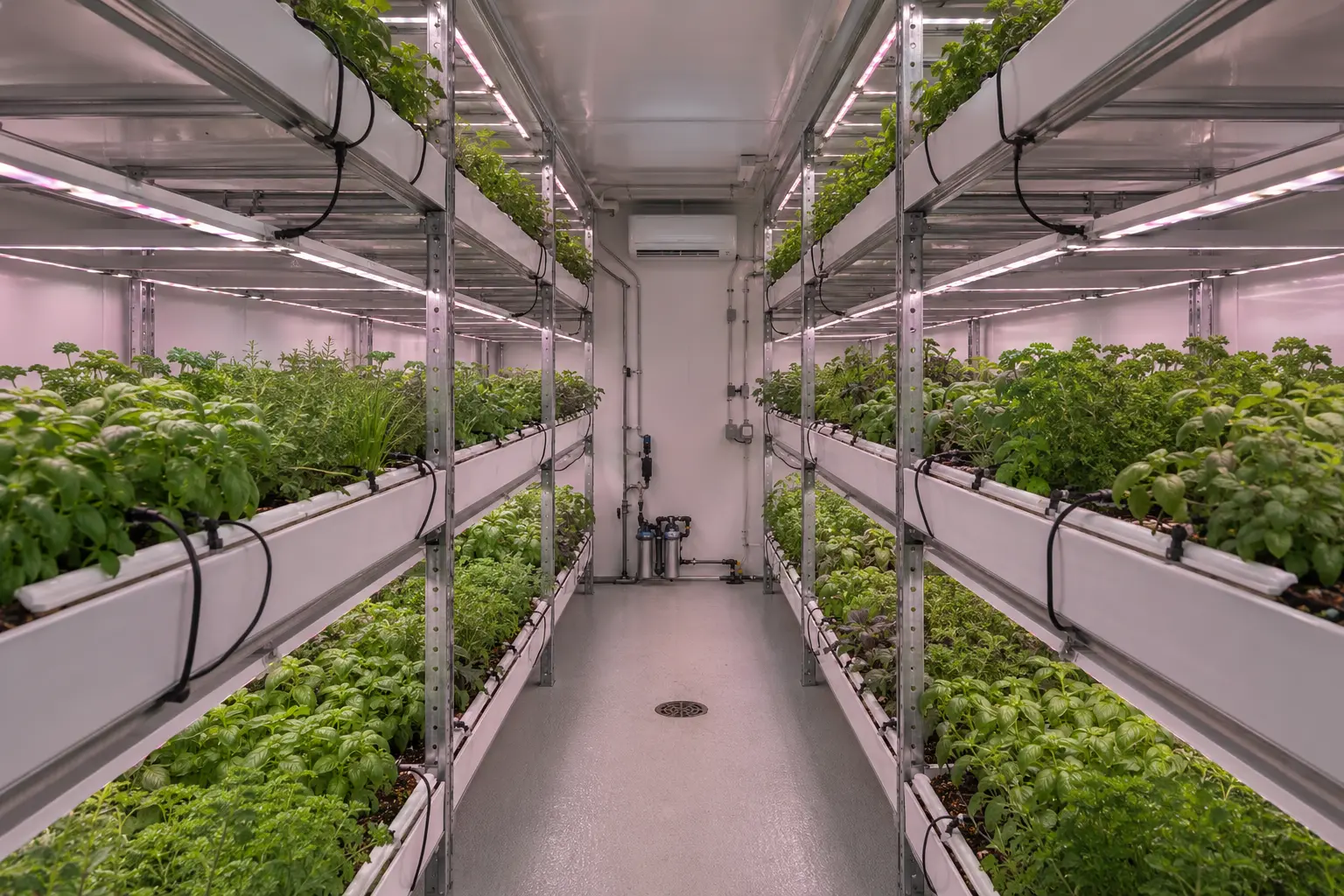
ภายในฟาร์ม
ระบบการผลิตที่อยู่เบื้องหลังทุกการส่งสินค้า
เทคโนโลยีมีความสำคัญเพราะมันช่วยให้เราสามารถสร้างเงื่อนไข กำหนดเวลา และกระบวนการจัดการตามข้อกำหนดในสัญญาทางการค้าได้
ผลกระทบจากการออกแบบ
ความยั่งยืนเริ่มต้นจากการไม่ปลูกสิ่งที่ไม่มีใครต้องการ
ระบบ "Grow to Demand" ช่วยลดการผลิตเกินความต้องการที่เกิดจากการเก็งกำไร การปลูกแบบควบคุมนี้รวมการใช้น้ำหมุนเวียน ไม่ใช้สารกำจัดศัตรูพืชสังเคราะห์ ให้ผลผลิตสูงต่อพื้นที่ และสามารถใช้พลังงานแสงอาทิตย์จากระบบติดตั้งในสถานที่ได้
อ่านกรอบงานเกี่ยวกับผลกระทบลดการผลิตเกิน
การผลิตเริ่มต้นจากสัญญาณความต้องการที่กำหนดไว้อย่างชัดเจน แทนที่จะเป็นการคาดการณ์ยอดขายแบบคาดการณ์ล่วงหน้า
ข้อมูลเข้าที่หมุนเวียน
การวัดปริมาณน้ำและสารอาหารแร่ธาตุ การจ่ายน้ำและสารอาหารแร่ธาตุ และการนำกลับมาใช้ใหม่ทั้งหมดเกิดขึ้นภายในระบบที่ได้รับการควบคุม
ได้มากขึ้นจากพื้นที่ที่น้อยลง
ระดับการปลูกหลายชั้นช่วยเพิ่มพื้นที่ใบไม้ที่ให้ผลผลิตได้โดยไม่ต้องใช้พื้นที่ดินที่กว้างใหญ่เท่ากัน
ไม่มีสารกำจัดศัตรูพืชสังเคราะห์
การกีดกันทางกายภาพ การจัดการด้านสุขอนามัย และการควบคุมสิ่งแวดล้อม มาแทนที่การใช้สารกำจัดศัตรูพืชสังเคราะห์ตามปกติ
ระบบที่พร้อมใช้งานกับพลังงานแสงอาทิตย์
แผงหลังคาและตู้เก็บพลังงานแสงอาทิตย์ที่ออกแบบมาโดยเฉพาะสามารถช่วยลดปริมาณไฟฟ้าที่ซื้อมาใช้ได้ หากมีการคำนวณขนาดให้เหมาะสมกับสถานที่
ห่วงโซ่อุปทานที่สั้นลง
การปลูกพืชใกล้กับลูกค้าสามารถช่วยลดเวลาในการจัดการ ลดการสูญเสียผลผลิต และลดความพึ่งพาการนำเข้าแบบฉุกเฉิน
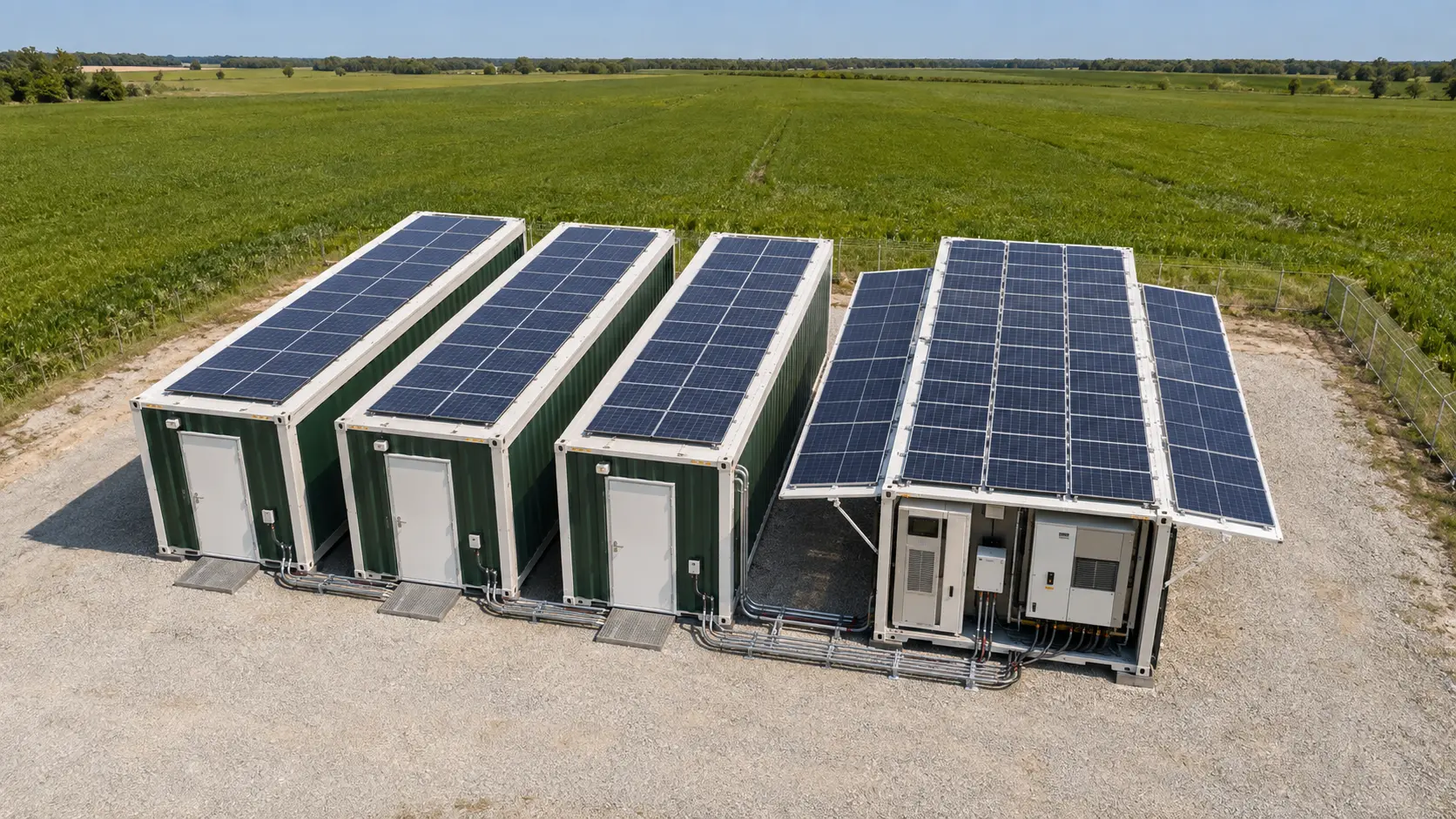
ออกแบบมาเพื่อลดการปล่อยมลพิษระหว่างการดำเนินงาน
พลังงานแสงอาทิตย์ การผลิตในท้องถิ่น และการปลูกพืชตามความต้องการ สามารถลดการปล่อยก๊าซเรือนกระจกจากการดำเนินงานได้อย่างมีนัยสำคัญ คำว่า “คาร์บอนเนกาทีฟ” จะถูกใช้เฉพาะกับโครงการที่ได้รับการประเมินอย่างครบถ้วนแล้ว ทั้งด้านไฟฟ้า วัสดุ โลจิสติกส์ และวงจรชีวิตทั้งหมด
นี่เป็นแผนที่แสดงการมีส่วนร่วม ไม่ใช่การรับรองจากสหประชาชาติ (UN) ผลกระทบควรรายงานโดยอ้างอิงจากข้อมูลที่วัดได้เกี่ยวกับพลังงาน น้ำ ของเสีย และห่วงโซ่อุปทาน
ติดตั้งระบบ
สร้างฟาร์มแนวตั้งที่สอดคล้องกับความต้องการจริง
Varmers ออกแบบ สร้าง ดำเนินการทดสอบระบบ และให้การสนับสนุนฟาร์ม โดยพิจารณาจากพื้นที่ที่มีอยู่ พืชเป้าหมาย ระบบสาธารณูปโภค และแผนการดำเนินงาน
ขยายกำลังการผลิต
ลงทุนเพื่อสนับสนุนการเติบโตที่ขับเคลื่อนโดยความต้องการ
นักลงทุนที่มีคุณสมบัติเหมาะสมสามารถตรวจสอบโมเดลการดำเนินงาน แผนการขยายธุรกิจ สมมติฐาน ความเสี่ยง และโครงสร้างการลงทุนที่มีอยู่ของ Varmers ได้บนหน้าเว็บที่จัดไว้สำหรับนักลงทุนโดยเฉพาะ
- การดำเนินงานหลังการรับรายได้
- การวางแผนการปลูกพืชตามความต้องการ
- การขยายพื้นที่เกษตรกรรมแบบค่อยเป็นค่อยไป
ดูระบบทำงานจริง
มาเยี่ยมชมฟาร์มในกรุงเทพฯ
มาเรียนรู้ขั้นตอนการปลูกพืช พูดคุยเกี่ยวกับความต้องการด้านวัตถุดิบ หรือสำรวจดูว่าฟาร์มที่ Varmers สร้างขึ้นจะมีลักษณะอย่างไร
เริ่มจากความต้องการ
เราควรปลูกอะไรให้คุณดีครับ?
โปรดแจ้งให้เราทราบเกี่ยวกับชนิดพืชและปริมาณที่คาดการณ์ไว้ เราจะประเมินความเป็นไปได้และเสนอขั้นตอนต่อไปที่เหมาะสม