
Varmers impact framework
Grow less wastefully. Measure more carefully.
Varmers connects demand-led crop planning with controlled-environment production. The strongest sustainability claim is not a decorative badge: it is a production decision that begins with known demand and uses measured inputs.
Three connected layers
Demand, production and local supply.
These layers explain where Varmers can create impact and what should be measured in regular reports.
Demand-led production
Agreeing demand before planting can reduce speculative overproduction, forced discounting and unsold crop.
- Committed versus planted volume
- Surplus sold versus discarded
- Forecast changes and crop adjustments
Controlled inputs
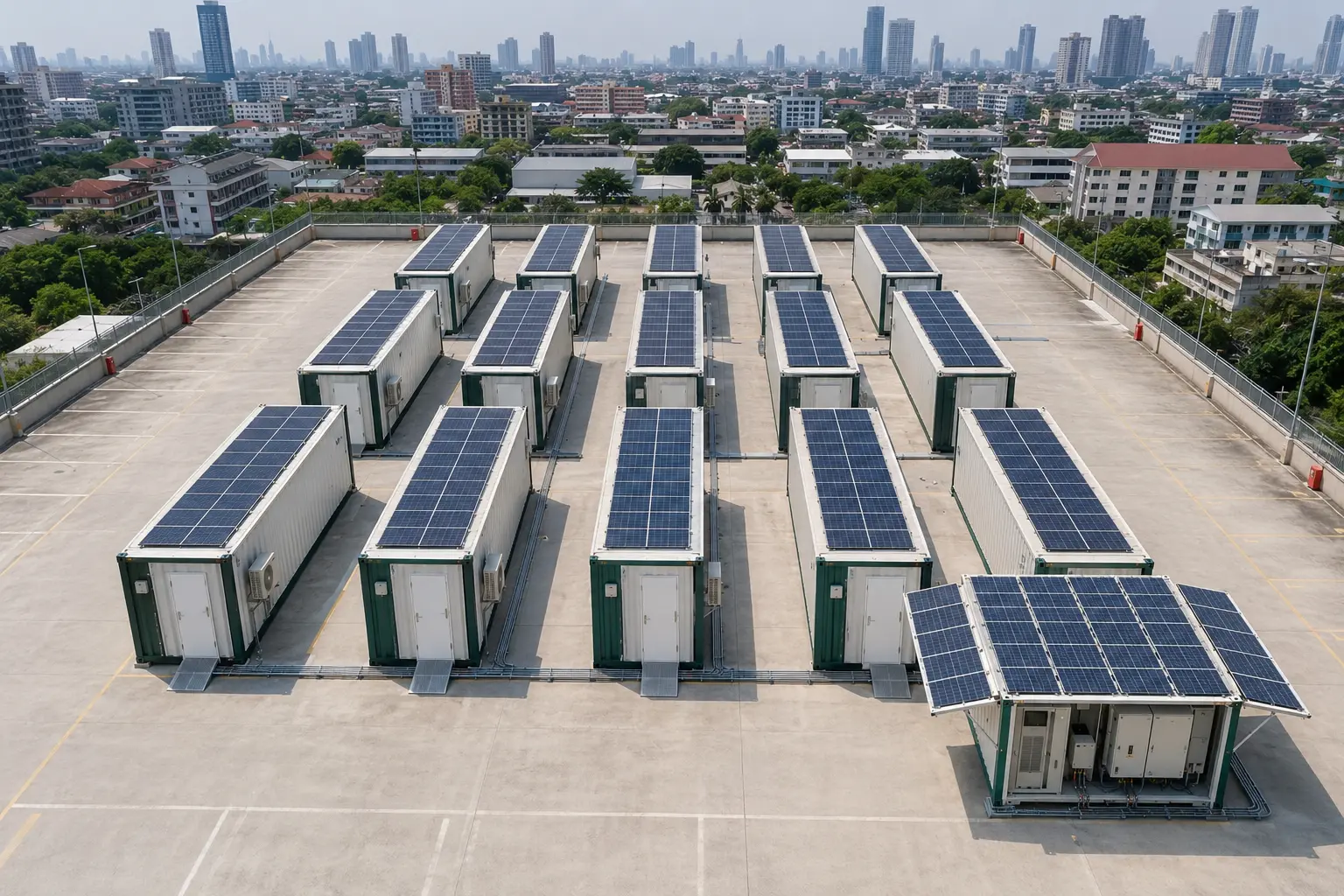
Indoor cultivation can recirculate water and apply light and nutrients according to the crop recipe. Solar can reduce purchased grid power where the site and system are correctly sized.
- Water use per kilogram
- Electricity and solar generation
- Nutrient and substrate use
Local fulfilment
Growing close to Bangkok customers can shorten the route between harvest, packing and delivery.
- Harvest-to-delivery time
- Delivery distance and load efficiency
- Spoilage or rejection after delivery
What good reporting requires
Make every number traceable.
A sustainability number is credible only when a reader can understand what it compares, where the data came from and what is excluded.
United Nations SDG alignment
Relevant goals, tied to actual activities.
SDG icons should point to measurable programmes and outcomes rather than imply formal UN endorsement.
Zero Hunger
Replicable local growing capacity and dependable year-round production close to demand.
Good Health and Well-being
Fresh produce grown under a controlled protocol without synthetic pesticides.
Clean Water and Sanitation
Recirculating irrigation with water use measured against saleable harvest.
Affordable and Clean Energy
Optional on-site solar systems and transparent monitoring of farm electricity.
Decent Work and Economic Growth
Local skilled work in farm assembly, crop production, agronomy and operations.
Industry, Innovation and Infrastructure
Modular farm design, controlled-production systems and operating know-how.
Sustainable Cities and Communities
Compact food production located in or near the communities it serves.
Responsible Consumption and Production
Demand-led planting, crop utilisation, input measurement and waste reporting.
Climate Action
Solar integration, energy measurement and transparent lifecycle-carbon assumptions.
Life on Land
High output per footprint and growing without synthetic pesticides can reduce pressure on land.
Partnerships for the Goals
Demand programmes linking growers, chefs, hotels, retailers and technology partners.
Next reporting steps
Turn the framework into an annual impact page.
The code creates the public structure. Varmers can later replace framework text with measured tables and downloadable reports.
What should Varmers measure first?
Start with reliable operational data already close to production: planted volume, committed volume, harvested volume, rejected or discarded volume, water, electricity and delivery distance.
Does Varmers contribute to 11 SDGs?
Varmers maps its activities to 11 relevant goals. This is a contribution framework, not UN certification. Each public claim should still connect to a measurable activity and defined boundary.
Can farm-building projects use the same framework?
Yes, but construction and equipment introduce additional boundaries, including embodied materials, commissioning, local electricity mix and the customer's operating practices.
Should reports be independently verified?
Independent review becomes increasingly valuable as the claims influence procurement, investment or public reporting. The page should clearly state the verification level.