
About Varmers
We start with the demand, then build the production around it.
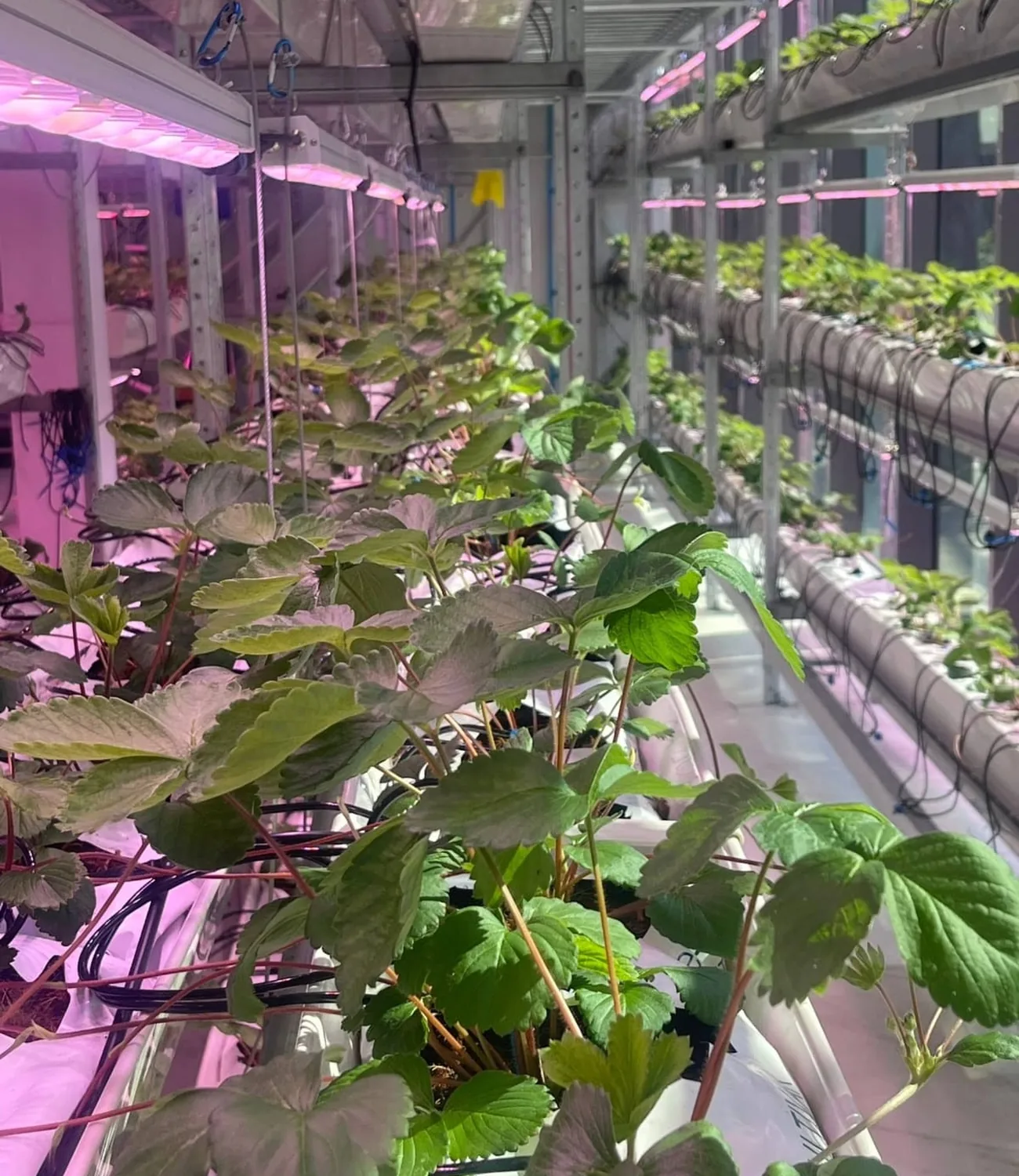
Varmers is a Bangkok-based vertical farming company. We grow crops for real customer requirements, develop controlled-environment production systems, and help others build and operate farms of their own.
The company
More than a farm. A practical way to connect food demand with local production.
Our current crop range is not arbitrary. Customers asked for those varieties and agreed to recurring demand. We grow additional capacity as a safeguard, which also creates a fresh surplus for online customers.
For crops that are not already in production, buyers can request a feasibility review. When the crop, quantity, price, delivery rhythm and production plan make sense, we schedule the crop and grow toward an agreed start.
One company, three ways to work together
Grow, build and operate.
Grow to Demand
Buyers define a crop need before production begins. We assess it, agree the plan and grow toward recurring deliveries.
Explore the model → 02Build a Farm
We design vertical farms around available space, crop demand, utilities, workflows and the capability of the operating team.
Explore farm building → 03Farm Operations
We help transform equipment into a repeatable production system through training, planning, operating routines and review.
Explore operations →Why demand comes first
Growing without a buyer transfers uncertainty into waste.
Demand-led planning does not remove every agricultural risk, but it gives production a commercial destination. It helps align crop choice, planting volume, harvest rhythm, packing and delivery before the crop occupies valuable farm capacity.
Crop, quality, volume and use case.
Economics, timing and delivery plan.
Sequenced planting and crop care.
Harvests aligned to the agreement.
Built by doing
Our production environment is also our learning environment.
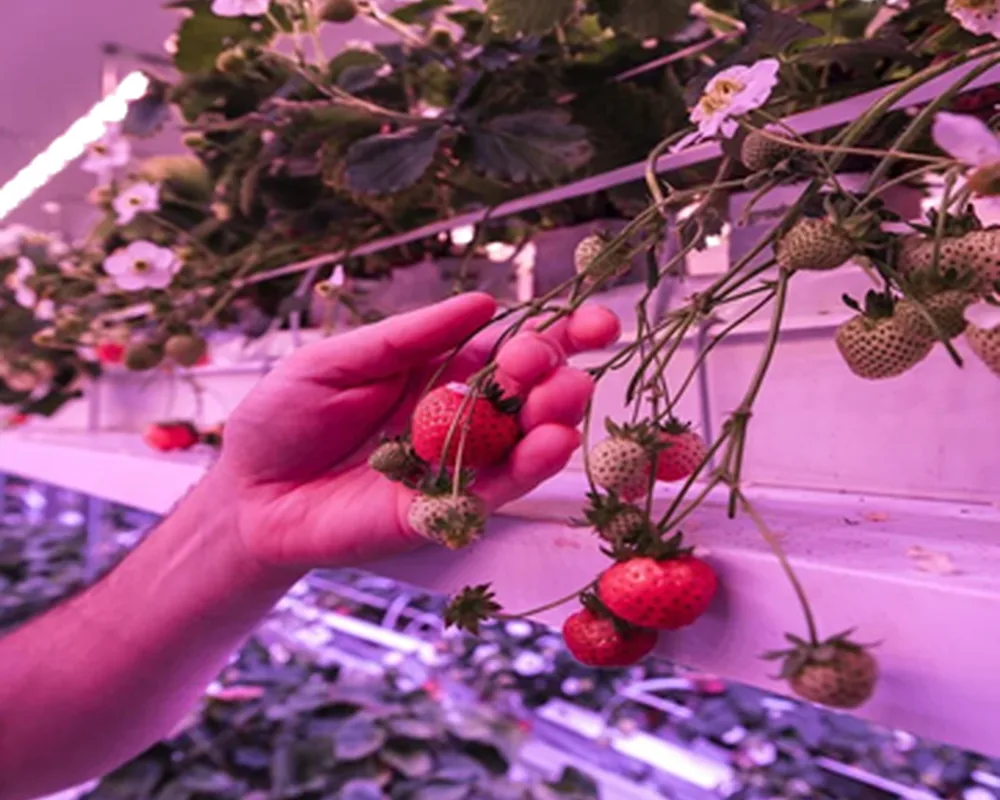
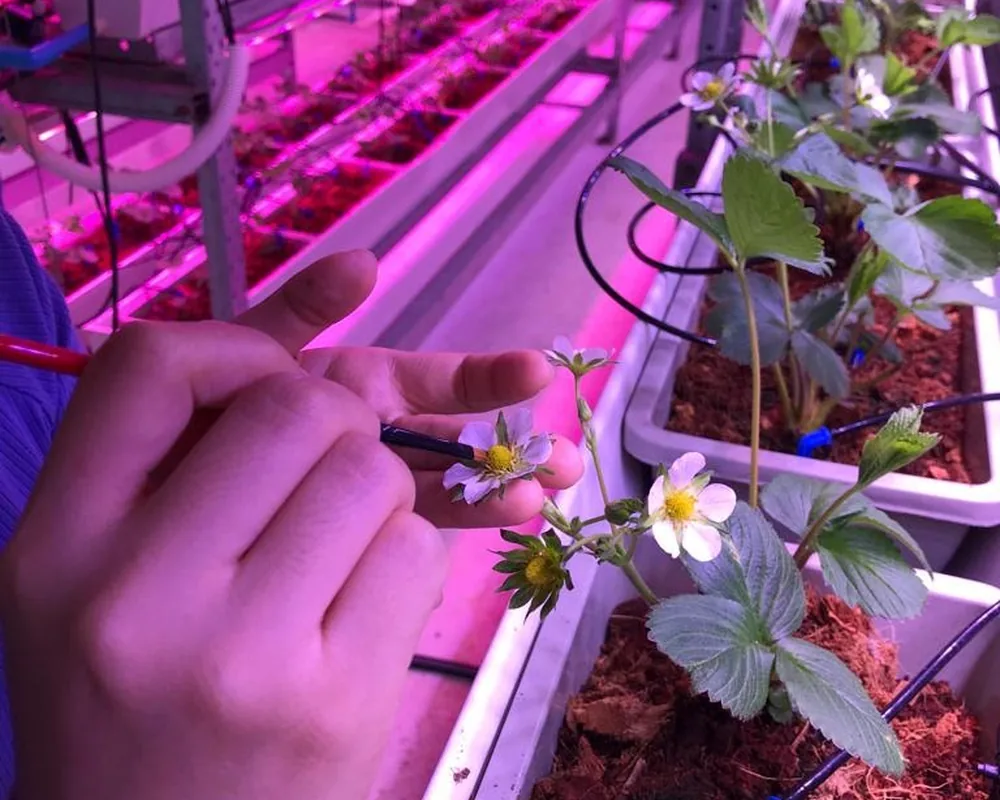
Operating a farm gives us direct feedback on crop behavior, labor, equipment access, sanitation, workflow and delivery realities. That practical loop informs how we grow, how we improve systems, and how we support new farm projects.
Book a farm tour →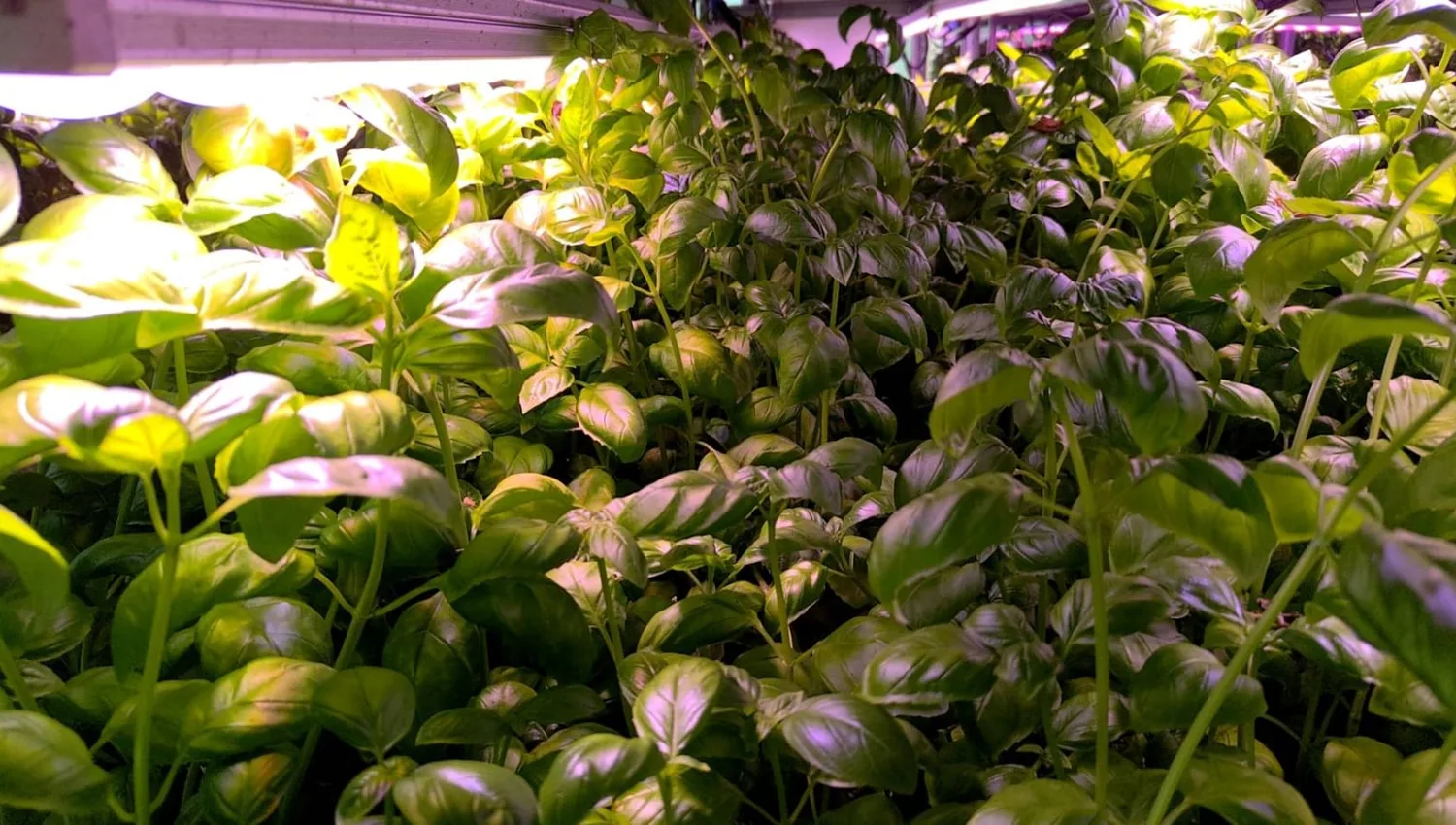
How we make decisions
Practical principles, not decorative promises.
Demand before scale
Capacity should be connected to a credible market requirement and an operating plan.
Reliability before novelty
Technology matters when it improves consistency, control, safety or commercial performance.
Measure before claiming
Environmental and performance statements should be tied to assumptions, boundaries and real evidence.
Improve through operation
Every crop cycle creates observations that can make the next cycle, workflow or farm design better.
Choose your route
Start with the outcome you need.
See what is already growing and available for recurring or surplus supply.
For new crop requirementsRequest a cropTell us what you need and let us assess vertical-farm suitability.
For owners and developersBuild a vertical farmDevelop a facility around demand, space, utilities and operations.
For expansion partnersInvestor overviewLearn how Varmers approaches demand-led production capacity.
See the model in practice