
Varmers Grow to Demand
Your demand becomes the crop plan.
We agree what your kitchen needs before planting: crop or variety, quantity, quality specification, price, delivery frequency and supply period. Varmers then validates the crop and schedules production around that agreement.
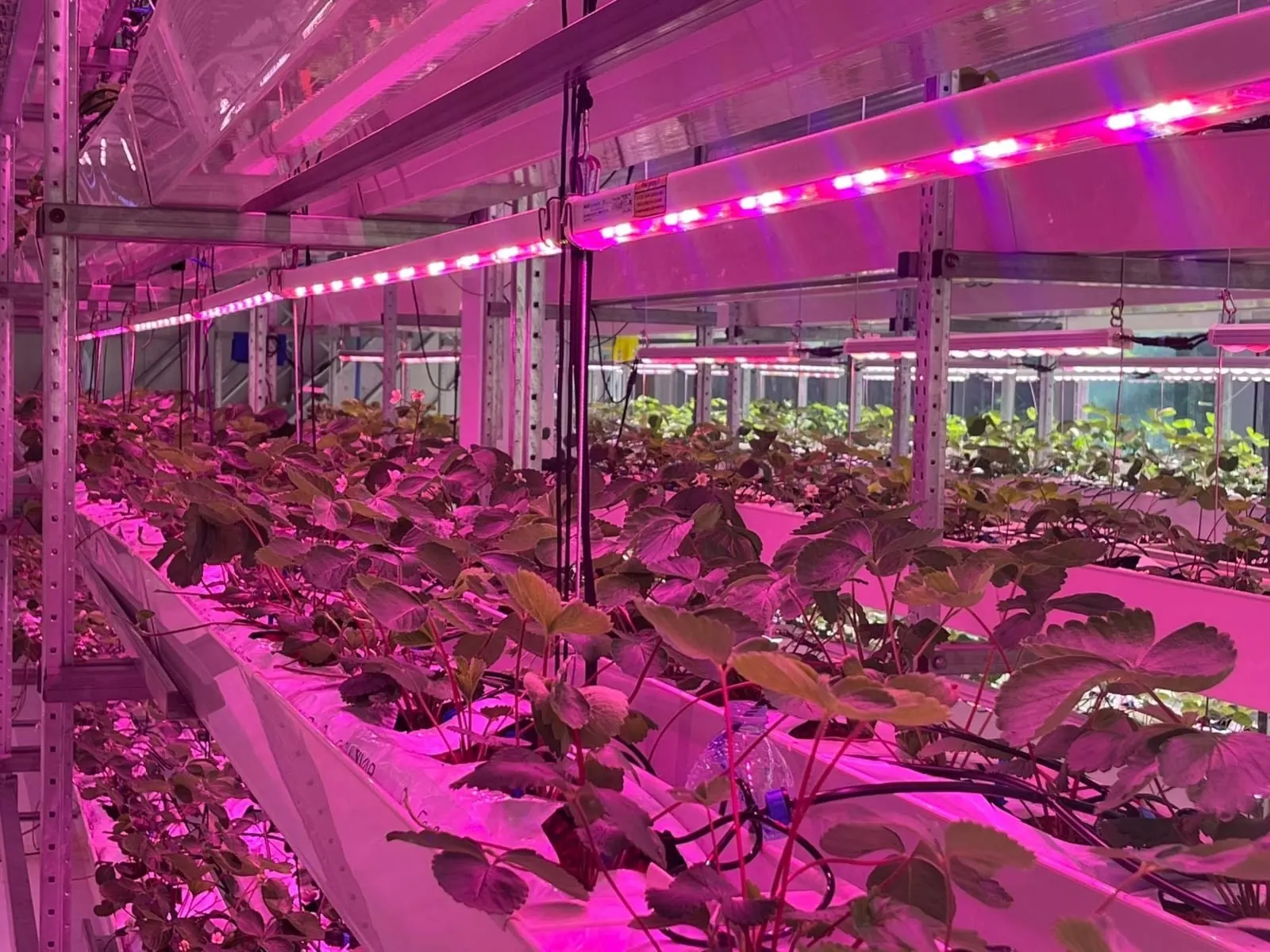
Why the model is different
Production begins with a buyer requirement.
The goal is not to promise that every crop can be grown. The goal is to create a disciplined route from kitchen need to validated crop and scheduled supply.
Grow first, then search for demand.
- Volume based on a forecast
- Longer storage pressure
- Discounting when demand is weak
- Higher risk of unsold crop
Define demand, then schedule the crop.
- Specification agreed before planting
- Sequential batches for recurring delivery
- Commercial terms tied to the plan
- Production capacity allocated deliberately
The practical process
From request to first delivery.
A new variety may require a small trial before a commercial start date can be confirmed.
Kitchen requirement
You share the crop, variety, quantity, use case, pack format and required delivery rhythm.
Feasibility review
We assess vertical-farm suitability, seed access, crop timing, capacity and the likely unit economics.
Trial when needed
Unproven crops can move through a controlled trial to validate quality, yield and crop duration.
Commercial agreement
Both sides agree price, quantity, frequency, supply period, quality and the first practical delivery date.
Sequential planting
Planting batches are staggered so the required volume matures continuously rather than all at once.
Scheduled delivery
Fresh crop is harvested and supplied according to the agreed rhythm, with future cycles adjusted as demand changes.
What the agreement can define
Clear commercial and crop expectations.
A Grow to Demand agreement can be simple or detailed, depending on the crop and customer. The important point is that the production team knows what outcome it is scheduling.
Start the feasibility review
What should Varmers grow for you?
The first form is intentionally practical. It gives the production team enough information to decide whether the next conversation should be a price discussion, a crop trial or an alternative recommendation.
- No crop is planted before agreement.
- Not every crop is technically or commercially suitable.
- The first-harvest date is confirmed after feasibility and any trial.
Common questions
Before a crop enters production.
These answers explain the intended workflow. Specific commercial terms belong in the final agreement.
Can Varmers grow any crop?
No. The crop must be suitable for the available vertical-farm environment, crop height, lighting, root zone, economics and customer specification. Some crops require a trial; others may not be practical.
Is six weeks guaranteed?
No. Approximately six weeks is a useful planning reference for many leafy crops, but germination, crop duration, trials, seed availability and production capacity can change the date.
What is the minimum quantity?
It depends on the crop, pack format, delivery frequency and production efficiency. The feasibility review determines whether the requested volume is practical.
Can price be fixed for a period?
Yes. Price, quantity, review conditions and the supply period can be written into the commercial agreement.
Can we change our quantity later?
Usually, but crop cycles need planning time. The agreement should define how much notice is needed and what variation the production schedule can absorb.
What happens if there is surplus crop?
Varmers may grow a safety buffer above committed demand. That surplus can be sold through the shop, while the committed customer quantity remains part of the production plan.