
Farm operations
A vertical farm only creates value when it performs every week.
Varmers helps operators turn a completed farm into a reliable production system—with crop planning, operating routines, training, performance reviews and practical support.
- Production planning
- Team training
- Crop consistency
- Performance improvement
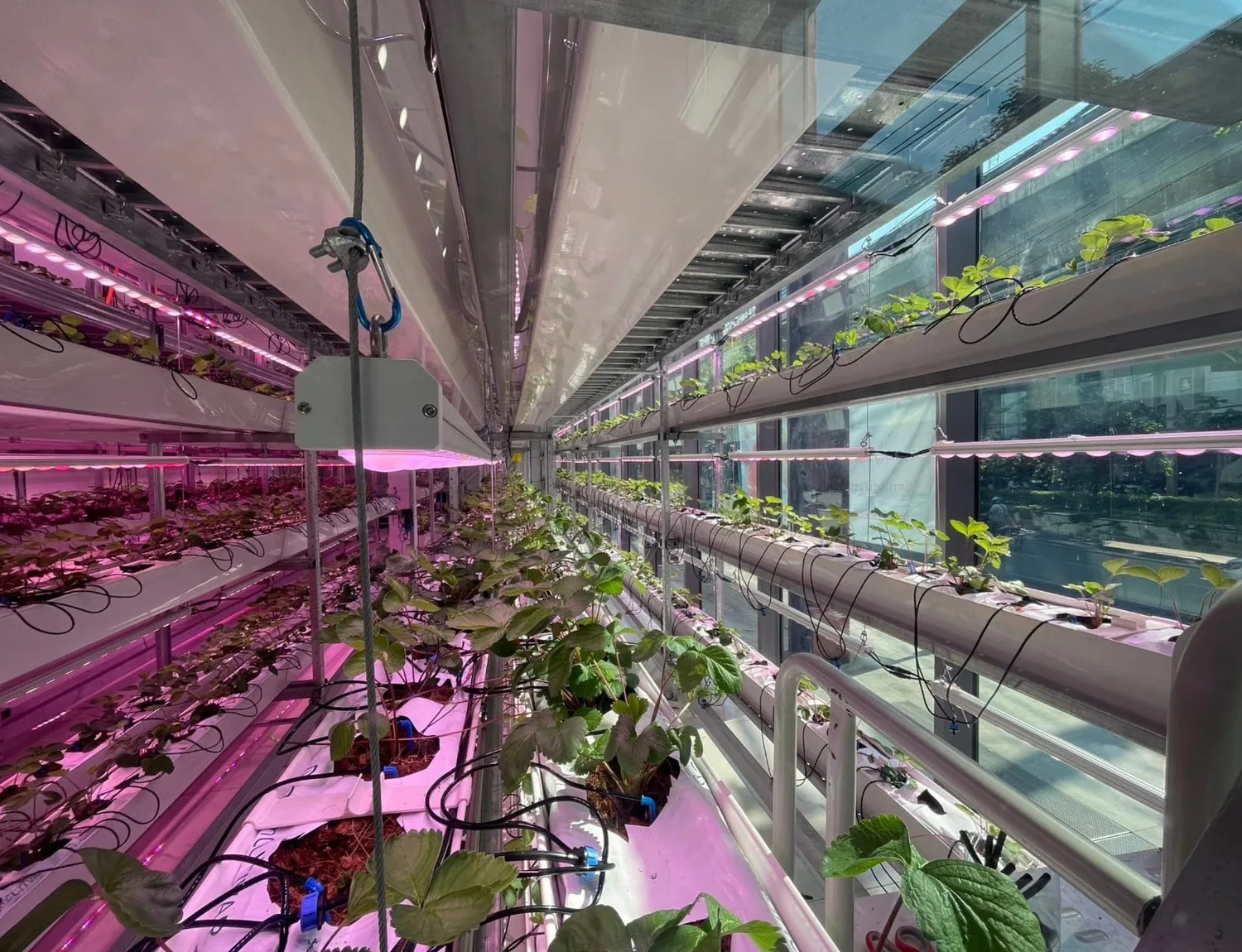
Beyond the build
The farm is the infrastructure. Operations create the outcome.
A successful controlled-environment farm must align crop demand, planting rhythm, climate, labor, inputs, harvesting and delivery. We help organize those moving parts into one operating cadence.
Support can begin before commissioning, during ramp-up, or when an existing facility needs a clearer route to stable performance.
What we work on
One operating system across crops, people and equipment.
Every engagement is scoped around the facility, crop mix, team capability and commercial plan.
Commissioning and ramp-up
Translate the completed installation into startup checks, trial cycles, handover routines and a controlled production ramp.
Crop and planting plans
Connect forecast demand to varieties, growing cycles, weekly planting batches, harvest windows and production capacity.
Standard operating procedures
Build repeatable routines for seeding, transplanting, crop care, sanitation, harvesting, packing and traceability.
Team training
Give operators a practical understanding of daily work, escalation points, crop observations and quality decisions.
Performance reviews
Review production, quality, losses, labor, resource use and delivery performance to find the next improvement.
Preventive operating rhythm
Coordinate routine checks and maintenance with crop schedules so interventions protect production rather than disrupt it.
Four stages
From first crop to repeatable performance.
Launch
Prepare the team, test systems and establish the first production routine.
Stabilize
Reduce variation, clarify responsibilities and make crop outcomes more predictable.
Optimize
Use operating data and crop observations to improve yield, quality and resource use.
Scale
Transfer the operating method to more capacity, crops, shifts or locations.
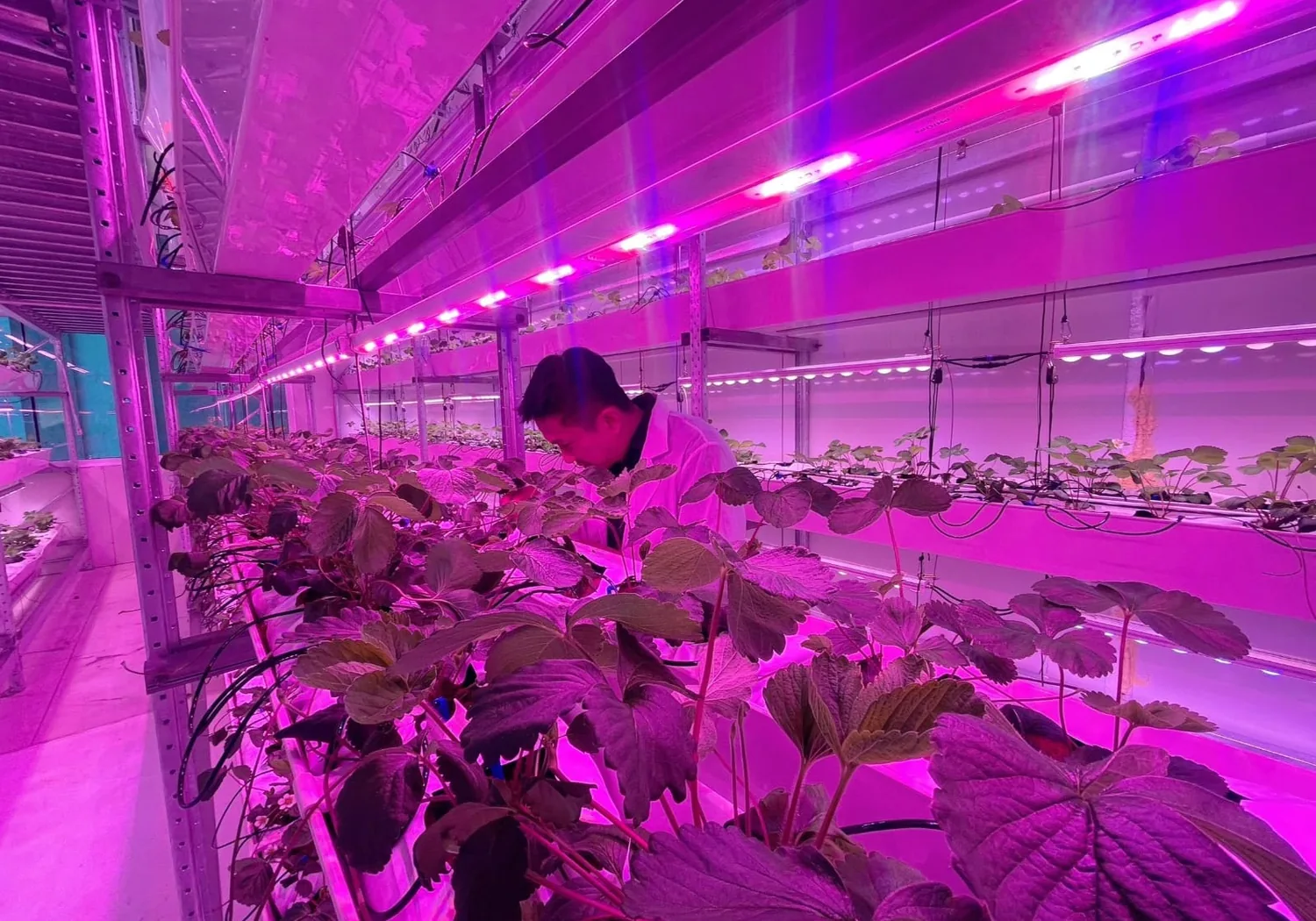
Support model
Choose the level that matches your team.
For new facilities preparing to commission, train and begin their first production cycles.
For owners who want Varmers involved in the recurring management and operating cadence.
For operating farms that need structured reviews, troubleshooting and continuous improvement.
A clear division of responsibility
Your business stays yours. The operating method becomes stronger.
Your organization leads
- Commercial priorities and customer relationships
- Local staffing and employment decisions
- Budgets, approvals and strategic direction
- Local compliance and site ownership obligations
Varmers can support
- Production planning and operating routines
- Crop protocols and team capability
- Performance review and problem solving
- Improvement priorities and scale-up readiness
Common questions
Farm operations, clarified.
Exact scope depends on location, farm design, crop program and the role of the local team.
Can Varmers operate a farm built by another supplier?
Potentially. We first review the system design, current condition, available documentation, safety, crop requirements and the responsibilities expected from each party.
When should operations planning begin?
Ideally during design. Staffing, workflows, crop movement, maintenance access and production planning can all affect the physical farm layout.
Do you guarantee a specific yield?
No universal guarantee is appropriate. Results depend on crop, genetics, system, environment, team execution, demand plan and operating conditions. Targets should be agreed from a documented baseline.
Can support be remote?
Some reviews, planning and troubleshooting can be handled remotely. Commissioning, training and complex operational issues may require on-site work.
Operate with intent